
Tear Stain Removal: Safe Methods for Bright-Eyed Breeds
Those reddish-brown streaks beneath your dog’s eyes are more than just a cosmetic issue—they’re visible evidence of a complex biological process that affects countless dogs, particularly light-coated breeds. From pristine white Maltese and Shih Tzus to playful Poodles and dignified Bichons Frises, tear stains present a frustrating challenge for owners seeking to maintain their companion’s bright-eyed appearance and overall ocular health.
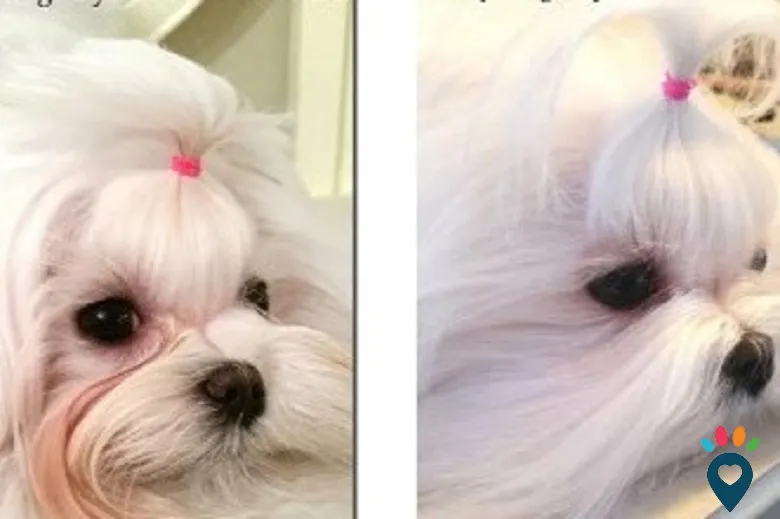
This comprehensive guide moves beyond quick-fix internet remedies to explore the science behind tear staining, identify root causes, and provide safe, vet-approved methods for both prevention and treatment. We’ll separate fact from dangerous fiction, ensuring your approach prioritizes your dog’s health while effectively addressing those stubborn stains.
Section 1: The Science Behind the Stain
What Are Tear Stains Really?
Those characteristic reddish-brown discolorations are not simply dried tears. They result from a chemical reaction involving:
- Porphyrins: Iron-containing molecules naturally present in:
- Tears
- Saliva
- Urine
- Oxidation: When porphyrins interact with light and air on light fur
- Bacterial/Fungal Growth: Moist areas beneath eyes create ideal environments for microorganisms that contribute to discoloration and odor
The Tear Production Pathway
Understanding normal tear flow helps identify where problems occur:
Normal Pathway:
Tear glands → Eye surface → Drains through puncta (small openings) → Nasolacrimal duct → Nose/throat
Staining Occurs When:
- Overproduction: Tears overwhelm drainage system
- Poor drainage: Tears overflow onto face
- Facial anatomy: Shallow eye sockets or hair directing tears downward
- Eye irritation: Causes excessive tearing
Section 2: Identifying the Root Cause
Primary Categories of Tear Stains
1. Anatomical Factors (Most Common)
- Brachycephalic breeds: Shih Tzus, Pekingese, Bulldogs (shallow eye sockets)
- Prominent eyes: Pugs, Boston Terriers
- Hair placement: Eyelashes or facial hair directing tears onto skin
- Narrow or blocked tear ducts: Common in toy breeds
2. Health-Related Causes
- Eye infections/conjunctivitis
- Allergies (environmental or food-based)
- Ear infections (connected via facial nerves)
- Dental issues (especially root problems near tear ducts)
- Glaucoma or eyelid abnormalities
- Teething (in puppies—usually temporary)
3. Environmental & Lifestyle Factors
- Diet quality and additives
- Water mineral content (high iron/magnesium)
- Air quality and irritants
- Stress levels affecting immune function
4. Product-Induced Staining
- Plastic bowls: Microscopic scratches harbor bacteria
- Harsh grooming products: Irritating eyes
- Inappropriate “stain removers”: Causing chemical irritation
Section 3: The Veterinary Consultation: When to Seek Professional Help
Red Flags Requiring Immediate Veterinary Attention:
- Sudden onset of excessive tearing
- Change in stain color (yellow, green, bloody)
- Eye redness, swelling, or squinting
- Rubbing/pawing at eyes excessively
- Cloudiness or change in eye appearance
- Foul odor from stain area
- Behavior changes (lethargy, loss of appetite)
Diagnostic Steps Your Vet May Recommend:
- Fluorescein stain test: Checks for corneal ulcers
- Tear duct flushing: Assesses drainage function
- Intraocular pressure test: Rules out glaucoma
- Allergy testing: Identifies environmental/food triggers
- Dental examination: Checks for tooth root issues
- Culture swab: Identifies bacterial/fungal overgrowth
Section 4: Safe Daily Maintenance Routine
Step-by-Step Gentle Cleaning Protocol
Supplies Needed:
- Soft cloths (microfiber or gauze) or cotton rounds
- Vet-approved canine eye wipe or saline solution
- Blunt-tipped scissors (for hair trimming)
- Small comb
- Never use: Human makeup removers, baby wipes with chemicals, hydrogen peroxide, or vinegar directly near eyes
Daily Cleaning Process:
- Wash hands thoroughly
- Moisten cloth with warm water or approved solution
- Gently wipe from inner eye corner outward
- Use fresh section of cloth for each eye
- Pat dry completely (moisture worsens staining)
- Comb hair away from eyes when dry
- Apply preventive balm if recommended by vet
Frequency: Once daily for maintenance, twice if stains are active
Facial Hair Management
Safe Trimming Techniques:
- Use blunt-tipped scissors
- Have assistant distract/treat dog
- Comb hair downward, trim straight across above eye level
- Never cut eyelashes (they protect eyes)
- Consider professional groomer for difficult dogs
Alternative Options:
- Topknots for long-haired breeds
- Pet-safe hair gel to direct hair away
- Regular trimming schedule every 2-3 weeks
Section 5: Dietary Approaches & Supplements
The Food Connection
Ingredients to Reconsider:
- Artificial colors/flavors: Potential allergens
- Fillers (corn, wheat, soy): Common irritants
- Low-quality protein sources: Harder to digest
- Excessive mineral content: Particularly iron
Dietary Adjustments to Try:
- High-quality protein diet: Easily digestible novel proteins
- Filtered water: Reduces mineral intake
- Stainless steel/ceramic bowls: Daily cleaning
- Probiotics: Support gut and immune health
- Omega-3 supplements: Reduce inflammation
Supplement Considerations
Research-Supported Options:
- Tyrosine amino acid: May reduce porphyrin production
- Probiotics: Specifically formulated for dogs
- Natural antioxidants: Blueberry, cranberry extracts
- Digestive enzymes: Improve nutrient absorption
Important: Always consult your veterinarian before starting supplements. Avoid products with:
- Antibiotics (like tetracycline) without veterinary prescription
- Unverified “miracle” ingredients
- Excessive dosing recommendations
Section 6: Addressing Stubborn Existing Stains
Safe Stain Lightening Methods
For Fresh Stains (1-2 days old):
- Cornstarch paste: Mix with water, apply, let dry, brush out
- Milk of magnesia: Apply with cotton swab, rinse after 10 minutes
- Saline solution soak: Soften before gentle wiping
For Set-In Stains (Weekly treatment):
- Optic-based cleansers: Specifically formulated for dogs
- Baking soda paste: Very diluted, avoid eye contact
- Coconut oil massage: Antibacterial properties, then wipe
Professional Grooming Options:
- Facial bleaching: Veterinary-formulated products only
- Stain-removing shampoos: During regular grooming
- Precision trimming: Removing deeply stained tips
What NEVER to Use:
- Hydrogen peroxide (can damage eyes)
- Human hair dyes/bleaches
- Vinegar or lemon juice (acidic, irritating)
- Essential oils near eyes
- Makeup or cosmetics
Section 7: Breed-Specific Considerations
High-Risk Breeds and Their Needs
White/Light-Coated Breeds:
- Maltese, Bichon Frise, Samoyed
- Challenge: Stains show immediately
- Approach: Preventive daily care, dietary management
Brachycephalic (Short-Nosed) Breeds:
- Shih Tzu, Pekingese, Pug
- Challenge: Facial structure promotes tearing
- Approach: Regular cleaning, hair management, monitor for infections
Toy Breeds:
- Toy Poodle, Yorkshire Terrier
- Challenge: Tear duct issues common
- Approach: Veterinary assessment of duct function
Long-Haired Breeds:
- Lhasa Apso, Afghan Hound
- Challenge: Hair wicks tears across face
- Approach: Strategic trimming, topical barriers
Section 8: Prevention: The Ultimate Solution
Proactive Measures for Stain Prevention
Environmental Management:
- Air filtration: Reduce dust and allergens
- Humidity control: 40-50% ideal
- Regular bedding washing: Weekly in hot water
- Non-irritating cleaning products: For home surfaces
Care Routine Enhancements:
- Consistent grooming schedule
- Regular veterinary check-ups (including dentistry)
- Stress reduction through routine and enrichment
- Paw cleaning after walks (prevents eye rubbing)
Product Selection:
- Stainless steel bowls: Daily dishwasher cleaning
- Hypoallergenic grooming products
- Vet-approved preventive wipes/balms
- Quality diet appropriate for breed/age
Section 9: When to Accept “Character Marks”
Realistic Expectations
Despite best efforts, some dogs may always have mild staining due to:
- Unchangeable anatomy
- Genetic predisposition
- Age-related changes
- Managed health conditions
Focusing on Health Over Perfection
A dog with clean, healthy eyes and mild staining is better than a dog with irritated, infected eyes from over-treatment. Signs of healthy eyes:
- Clear, bright appearance
- No redness or swelling
- Normal tear production (not excessive)
- Comfortable (no rubbing)
- Responsive to light
The Bond Beyond Appearance
Remember that your dog doesn’t care about tear stains. Your relationship is built on care, companionship, and mutual trust—not cosmetic perfection.
Conclusion: Patience, Consistency, and Veterinary Partnership
Successfully managing tear stains requires a trifecta approach: daily gentle care, veterinary guidance, and realistic expectations. There are no overnight miracles—only consistent, science-backed practices that prioritize ocular health while gradually improving appearance.
Start with a veterinary examination to rule out medical issues. Implement a gentle daily routine. Make thoughtful dietary adjustments. Most importantly, monitor your dog’s comfort above all else. Those bright eyes looking back at you with trust and affection are what truly matter—whether framed by pristine white fur or the gentle “kisses” of mild staining that speak to a life well-loved.
Your dedication to safe, informed care is the truest expression of love—far beyond any cosmetic ideal.
Disclaimer: This article provides general information about tear stain management. It is not veterinary medical advice. Always consult your veterinarian before implementing new treatments, especially near your dog’s eyes. Eye health is delicate—when in doubt, seek professional guidance. The author and publisher assume no liability for outcomes resulting from application of these suggestions. Individual dogs have unique needs requiring personalized veterinary care.