
Swimming Safety for Dogs: Introduction, Tips & Gear
For many dogs, water represents pure joy—a place to splash, retrieve, and cool off on a hot day. However, natural bodies of water and pools present unique risks that every pet owner must understand. Not all dogs are natural swimmers, and even confident paddlers face hazards like exhaustion, currents, and waterborne illnesses.
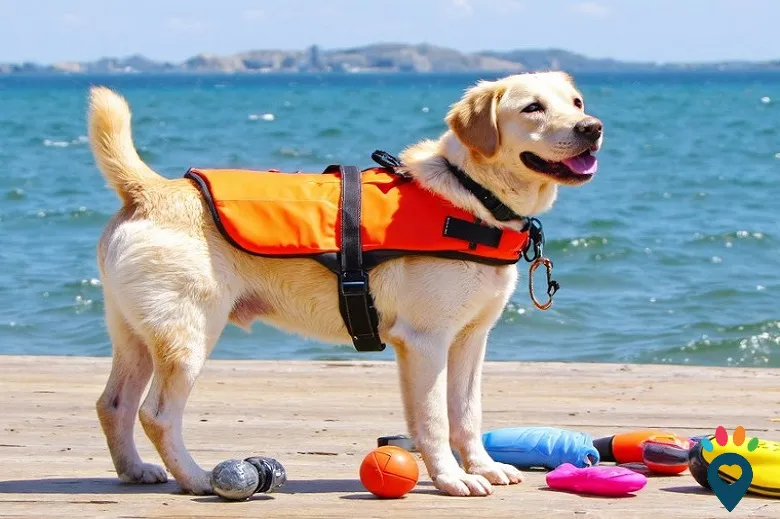
This comprehensive guide transforms you from a bystander into a prepared and proactive water safety guardian. We’ll cover essential introductions to swimming, vital safety protocols, and the gear that can make the difference between a fun day and an emergency. Whether your dog is a hesitant first-timer or a seasoned dock diver, these evidence-based strategies will help ensure every aquatic adventure is a safe one.
Part 1: The First Splash – Introducing Your Dog to Water
Assessing Natural Ability: Not Every Dog is a “Water Dog”
While breeds like Labradors and Portuguese Water Dogs are famed for their love of water, others face physical challenges. Brachycephalic breeds (Bulldogs, Pugs, Boxers) with short snouts struggle to keep their noses above water. Heavy-chested, short-legged breeds (like Dachshunds) and dense, heavy-coated breeds may tire quickly or sink. Always let temperament and physique, not just breed, guide your approach.
Step-by-Step Introduction: Building Confidence, Not Fear
Rushing this process can create lasting anxiety. Follow this gradual method:
- Start on Dry Land: Let your dog explore the edge of a calm, shallow body of water (like a still lake shore or baby pool) on a long leash. Reward calm curiosity.
- Lead by Example: Wade in yourself without pulling them. Your calm demeanor is their cue that it’s safe.
- Encourage, Don’t Force: Use a floating toy or treats to lure them into shallow water. Never throw or carry a dog into deep water.
- Support Their Body: In deeper water, place one hand under their chest and one under their hindquarters to help them find their natural horizontal swimming posture.
- Keep Sessions Short & Positive: Limit initial sessions to 5-10 minutes, ending with praise and play.
Critical First-Timer Tip: A properly fitted canine life jacket is non-negotiable for initial deep-water introductions, even for athletic breeds. It provides buoyancy and a safe, easy handle for you.
Part 2: The Safety Protocol – Rules for Every Swim
The 5 Non-Negotiable Safety Rules
- Constant Visual Supervision: Never assume your dog is safe alone near water. Drowning can be silent and quick. If you’re not watching, your dog should not be swimming.
- Know the Exit Strategy: Before allowing a swim, identify and practice using the exit point (pool steps, gentle shoreline). Dogs can panic if they can’t find their way out.
- The “Life Jacket Always” Rule for Boats & Open Water: On any boat, dock, or near strong currents, a USCG-approved canine life jacket must be worn. It provides visibility and a handle for rescue.
- Fresh Water Only for Drinking: Prevent your dog from drinking saltwater (causes vomiting, diarrhea, dehydration) or stagnant freshwater (risk of parasites, toxins from blue-green algae).
- Rinse & Dry Post-Swim: Rinse with fresh water to remove chlorine, salt, sand, and potential pollutants. Dry ears thoroughly to prevent painful infections.
Recognizing the Silent Signs of Trouble
Dogs rarely splash and yell for help. Watch for these subtle distress signals:
- Vertical Paddling: Head high, legs paddling vertically—a sign of fatigue and struggle.
- Panicked Paddling with No Forward Movement
- Whining or Yelping while in the water
- Attempting to Climb Onto People or Objects
If you see these signs, act immediately: Reach or throw a flotation device or long object. Do not jump in unless absolutely necessary, as a panicking dog can inadvertently drown a rescuer.
Part 3: Essential Safety Gear – Beyond the Toy
Investing in the right equipment is an investment in your dog’s life.
1. The Life Jacket (Personal Flotation Device – PFD)
This is the most critical piece of safety gear. Don’t just buy for size—buy for fit and function.
- What to Look For:
- A Sturdy Top Handle: For quick lifting and rescue.
- Bright Colors & Reflective Strips: For high visibility in murky water or low light.
- Adjustable Straps: At least three (chest, waist, neck) for a secure, non-chafing fit.
- Front Floatation: Keeps the head above water even when tired.
- D-Ring: To attach a leash (for guidance, not restraint in water).
- Top Recommended Brands: Ruffwear K9 Float Coat, Outward Hound Granby, EzyDog DFD.
2. The First-Aid & Practical Kit
Pack a dedicated “dog swim bag”:
- Canine First-Aid Kit: Include antiseptic for cuts, saline eye rinse, and styptic powder.
- Collapsible Bowls & Fresh Water: To prevent dehydration and drinking unsafe water.
- Microfiber Towels: For quick drying and preventing chill.
- Ear Drying Solution: A vet-recommended drying agent to prevent otitis externa.
- Poop Bags & Portable Water Filter: For responsible clean-up and emergency fresh water.
3. Specialty Gear for Specific Situations
- Water Shoes: Protect sensitive paw pads from hot sand, sharp rocks, or broken shells.
- Pool Ramp or Safety Skirt: For home pools, provides an always-available exit.
- Long-Line Leash (30+ ft): For controlled practice in open water without total freedom.
Part 4: Environment-Specific Dangers
Pools:
- Chemicals: Chlorine can irritate skin and eyes. Rinse thoroughly.
- Cover Dangers: Teach dogs to never walk on pool covers, which can collapse.
- Exhaustion: Slippery sides offer no rest. Enforce regular breaks.
Oceans & Beaches:
- Rip Currents & Waves: Can instantly pull a dog out to sea. Keep them in calm, shallow areas.
- Saltwater Ingestion: Leads to dangerous sodium ion poisoning. Offer fresh water frequently.
- Jellyfish & Stingrays: Keep dogs from nosing around in tide pools or washed-up sea life.
Lakes, Ponds & Rivers:
- Blue-Green Algae (Cyanobacteria): Often appears as pea-green scum or paint-like streaks. Highly toxic—can cause fatal liver failure within hours. When in doubt, keep out.
- Strong Currents & Underwater Debris: Rivers can be deceptively powerful.
- Leptospirosis & Giardia: Parasitic and bacterial risks from contaminated water. Ensure your dog’s vaccinations are up-to-date.
Conclusion: Making a Splash with Confidence
Swimming with your dog can be one of the most rewarding shared activities, offering exercise, mental stimulation, and pure joy. The key to unlocking this pleasure lies in respecting the water’s power and prioritizing preparation over assumption.
Start with a thoughtful introduction, commit to unwavering supervision, invest in a quality life jacket, and always tailor your plans to the specific environment. By making these safety protocols as routine as putting on their leash, you create the foundation for countless safe and happy adventures ahead.
Remember: Your dog’s safety in the water depends entirely on your knowledge, vigilance, and preparation. Be their lifeguard, guide, and biggest fan—and dive into summer with confidence.
Quick-Reference Safety Checklist
- Dog wears a properly fitted life jacket in open water/boats
- Fresh drinking water and bowl are packed
- Exit points identified and practiced
- Dog is up-to-date on vaccinations (Leptospirosis especially)
- First-aid kit and post-swim rinse supplies are ready
- I have a plan and tool (like a long pole) for water rescue
- I will provide constant visual supervision
Disclaimer: This article is for informational purposes only and is not a substitute for professional veterinary or training advice. Always consult your veterinarian regarding your dog’s specific health needs and fitness for aquatic activities. The author is not liable for any accidents or injuries resulting from the use of this information.