
When Socialization Goes Wrong: Reading Stress Signals and Next Steps
The prevailing narrative around dog socialization often presents a straightforward, linear path: expose your puppy or dog to new experiences, and they will grow into a confident, well-adjusted companion. However, the reality is far more nuanced. Socialization can and does go wrong—sometimes subtly, sometimes dramatically—and these negative experiences can have lasting impacts that undermine your dog’s confidence and trust.
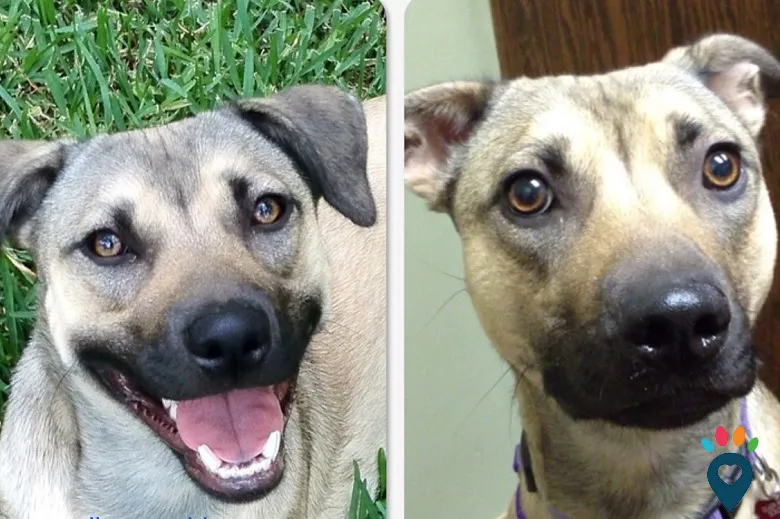
This comprehensive guide moves beyond idealistic socialization checklists to address the critical reality of negative social experiences. We’ll provide you with the expertise to recognize early stress signals, understand when socialization has become detrimental, and implement effective recovery strategies to rebuild your dog’s confidence. This is essential knowledge for any owner navigating the complex journey of helping their dog feel safe in our human world.
Section 1: Understanding the “Socialization Gone Wrong” Spectrum
The Misapplication of Socialization Principles
Socialization failures typically stem from three fundamental misunderstandings:
- Quantity Over Quality: Believing more experiences are inherently better, regardless of the dog’s emotional state.
- Forced Exposure: The outdated “sink or swim” or “flooding” approach that forces a dog to endure fear-inducing situations.
- Misreading Tolerance: Confusing a dog’s frozen stillness or shutdown state with calm acceptance.
The Different Types of Negative Outcomes
Acute Trauma:
- A single, overwhelmingly frightening experience (attack by another dog, severe startle, harsh handling)
- Often creates immediate, specific phobias
- May trigger lasting behavioral changes
Chronic Stress Buildup:
- Repeated mildly negative or overstimulating experiences
- Creates generalized anxiety and lowered stress threshold
- Often mistaken for “sudden” behavior problems that have actually been building
Learned Helplessness:
- Dog learns their distress signals are ignored and gives up on communicating
- Presents as apathetic, withdrawn, or “shut down”
- Particularly dangerous as it masks severe internal stress
Reinforced Reactivity:
- Dog learns that growling, barking, or lunging makes the scary thing go away
- Behavior is unintentionally reinforced and becomes a default response
Section 2: The Expanded Stress Signal Lexicon – Beyond Basic Body Language
Early Intervention Signals (Stage 1: Discomfort)
These subtle signs indicate your dog needs support now:
Micro-Expressions (often missed):
- Brief eye squinting or blinking
- Ear flicking back and forth rapidly
- Tongue flicks (quick in-and-out motions)
- Nose wrinkles without growling
Tension Indicators:
- Weight shift backward or to one side
- Stiffening of specific body parts (often shoulders or hips)
- Closed mouth when normally panting/open
- Raised whiskers above eyes
Displacement Behaviors:
- Sudden scratching without itch
- Ground sniffing in absence of interesting smells
- Shaking off when dry
- Excessive lip licking or yawning
Escalating Distress Signals (Stage 2: Anxiety)
Your dog is actively seeking relief:
Appeasement/Calming Signals:
- Turning head or full body away
- “Play bow” in non-play context (attempt to de-escalate)
- Slow, crouched approach with low body
- Lifting a front paw while stationary
Avoidance Behaviors:
- Hiding behind owner or objects
- Attempting to leave the area
- Refusing to move forward on walk
- Pushing against leash in opposite direction
Physiological Changes:
- Dilated pupils even in good light
- Increased salivation (not food-related)
- Visible trembling (not cold-related)
- Piloerection (raised hackles) along full back
Critical Overthreshold Signals (Stage 3: Fear/Reactivity)
Your dog is in survival mode; damage is occurring:
Defensive Threats:
- Growling with teeth visible
- Snarling (lifting lips to show gums)
- Stiff, high tail with slow wag
- Hard, direct staring
Shutdown/Freeze Responses:
- Complete immobility (often mistaken for calm)
- Avoiding eye contact entirely
- Lowered body with tail tucked tight
- Shallow, rapid breathing
Panic Responses:
- Frantic attempts to escape
- High-pitched whining or barking
- Loss of bladder/bowel control
- Redirected biting at leash, owner, or themselves
Section 3: The Immediate Response Protocol – What to Do When You See Stress
Step 1: The L.A.S.T. Method
Leave the situation immediately
Assess your dog’s state from a safe distance
Soothe with calm reassurance (if it helps your dog)
Time to recover before any next steps
Step 2: Distance is Your First Tool
- Increase space between your dog and the stressor
- Use physical barriers (cars, corners, visual blocks)
- Change line of sight – out of sight truly helps
- Never force “facing fears” in the moment
Step 3: Avoid Common Mistakes
What NOT to do:
- Don’t punish growling or fear signals (teaches suppression, not safety)
- Don’t use “comforting” that reinforces panic (high-pitched “it’s okay!”)
- Don’t force interaction to “prove it’s safe”
- Don’t rush to “try again” without decompression
- Don’t ignore the signals hoping they’ll “get over it”
Step 4: Post-Incident Documentation
Record immediately after:
- Date, time, location
- Specific trigger (what, how far away)
- Exact behaviors observed
- Recovery time to baseline
- Any patterns noticed
Section 4: The Recovery Roadmap – Repairing Damaged Confidence
Phase 1: Decompression and Reset (1-4 Weeks)
Goal: Lower overall stress baseline
Strategies:
- Socialization moratorium: No new experiences or challenges
- Routine reinforcement: Predictable schedule for feeding, walks, rest
- Quiet environments: Walks in nature, away from triggers
- Choice-based interactions: Let dog initiate all contact
- No forced exposure: Even to previously tolerated stimuli
Success Indicators:
- Spontaneous play reappears
- Appetite returns to normal
- Sleeps deeply and regularly
- Seeks affection voluntarily
Phase 2: Foundation Rebuilding (1-3 Months)
Goal: Re-establish sense of safety and agency
Activities:
- Pattern games: “1-2-3 Treat!” builds predictability
- Consent tests: Pet for 3 seconds, pause, continue if dog leans in
- Controlled exploration: Sniff walks in low-stress areas
- Positive associations: Pair everything with high-value rewards
- Mat training: “Place” as voluntary safe zone
Progress Markers:
- Recovers quickly from minor surprises
- Shows curiosity toward neutral stimuli
- Accepts handling without tension
- Maintains training focus despite mild distractions
Phase 3: Gradual Re-Introduction (3-6 Months+)
Goal: Carefully rebuild positive associations
Protocol:
- Start with least challenging version of trigger
- Work at sub-threshold distance (dog notices but isn’t stressed)
- Use high-value reinforcement for calm behavior
- Keep sessions extremely short (30 seconds to 2 minutes)
- End on success every single time
Example for Dog-Fearful Dog:
- View calm dog 500 feet away → Treat
- 400 feet → Treat
- 300 feet → Treat
- Notice any stress? Increase distance immediately
- Next session start at last successful distance
Section 5: Professional Intervention – When to Seek Help
Red Flags Requiring Professional Guidance
Seek a certified professional if your dog:
- Shows aggression that has caused or could cause injury
- Has panic attacks that last more than 5 minutes
- Develops phobias that prevent normal functioning
- Shows no improvement after 4 weeks of careful management
- Exhibits self-injurious behavior (excessive licking, chewing)
- Has a bite history with broken skin
Finding the Right Professional
Qualifications to look for:
- Veterinary Behaviorist (Dip ACVB): For medication assessment and severe cases
- Certified Applied Animal Behaviorist (CAAB): For behavior modification plans
- Fear Free Certified Professional: For trauma-informed approach
- Certified Professional Dog Trainer (CPDT-KA) with behavior specialty
Red flags in professionals:
- Promises quick fixes
- Uses punishment-based methods for fear
- Doesn’t ask for veterinary involvement
- Won’t observe your dog’s actual behavior
The Veterinary Partnership
Medical issues that mimic/magnify behavior problems:
- Pain (arthritis, dental issues, injuries)
- Thyroid dysfunction
- Neurological conditions
- Vision/hearing loss
- Gastrointestinal discomfort
Always rule out medical causes before assuming purely behavioral issues.
Section 6: Special Considerations for Different Scenarios
For Puppies (Under 16 Weeks)
Critical period considerations:
- Experiences during this time have amplified impact
- Recovery is possible but requires careful handling
- Never use flooding techniques with puppies
- Focus on quality of very few positive experiences over quantity
Recovery protocol for traumatized puppies:
- Shorter decompression phase (1-2 weeks)
- More frequent but briefer positive sessions
- Higher value reinforcement
- Closer supervision to prevent additional negative experiences
For Rescue Dogs with Unknown History
Assume previous trauma until proven otherwise:
- Go slower than you think necessary
- Let the dog dictate the pace of all interactions
- Watch for triggers you can’t anticipate
- Build trust through consistency and choice
For Specific Fear Types
Sound phobias:
- Create “safe rooms” with sound buffering
- Use gradual desensitization with recordings
- Consider professional sound therapy programs
Human-directed fear:
- Teach humans to be non-threatening (sit, side approach, no eye contact)
- Use treat-tossing rather than hand-feeding
- Implement “the person predicts chicken” protocol
Environmental fears:
- Map “safe routes” through your neighborhood
- Use visual barriers (umbrellas, parked cars)
- Practice “U-turn” cue before fear response
Section 7: Long-Term Management and Realistic Expectations
The “New Normal” Mindset
Accept that some dogs may never:
- Enjoy dog parks or busy events
- Greet strangers enthusiastically
- Tolerate certain stimuli without management
- Become the social butterfly you envisioned
This is NOT failure. It’s respecting your individual dog’s nature and needs.
Sustainable Management Strategies
Environmental modifications:
- Visual barriers on property fences
- Designated “safe rooms” for guests/events
- Strategic walking times to avoid triggers
- Clear communication tools (“Nervous Dog” vest, yard signs)
Ongoing training maintenance:
- Regular practice of emergency cues (“U-turn,” “Find it”)
- Refresher sessions on positive association protocols
- Continued observation and journaling
- Periodic professional check-ins
Measuring Success Realistically
Better metrics than “loves everyone/everything”:
- Recovery time decreases after stress
- Threshold distances increase
- Choice to engage increases
- Overall stress baseline lowers
- Quality of life improves
The Owner’s Emotional Journey
Common feelings and responses:
- Guilt: “I caused this” → Focus on solutions, not blame
- Grief: For the dog you imagined → Celebrate the dog you have
- Isolation: From other dog owners → Seek supportive communities
- Frustration: With slow progress → Track micro-improvements
Self-care is essential: You cannot pour from an empty cup. Seek support from understanding friends, online communities, or professionals.
Conclusion: From Broken Trust to Resilient Partnership
When socialization goes wrong, it can feel like a profound failure—a permanent setback in your relationship with your dog. But in truth, these challenging experiences, when handled with compassion and expertise, can forge an even deeper bond built on true understanding and mutual trust.
The journey of recovery teaches us to see the world through our dog’s eyes, to respect their individual boundaries, and to become skilled advocates for their wellbeing. It transforms us from owners who manage behavior to partners who provide safety.
Remember that every dog has their own unique threshold, their own history, and their own capacity for resilience. Your commitment to reading their signals, respecting their limits, and providing patient guidance is the greatest gift you can offer. Progress may be measured in inches rather than miles, but each step forward represents a rebuilding of confidence that no negative experience can permanently take away.
The most successful socialization isn’t about creating an unflappable dog, but about creating a dog who knows they can trust you when the world feels overwhelming.
Disclaimer: This article provides general information about recognizing and addressing negative socialization experiences. It is not a substitute for professional behavioral or veterinary advice. Dogs showing severe fear, anxiety, or aggression require individualized assessment and treatment plans from qualified professionals. Always consult your veterinarian to rule out medical causes for behavioral changes. The author and publisher assume no liability for outcomes resulting from the application of these suggestions. When working with fearful or reactive dogs, safety for all parties must be the primary consideration. If your dog has bitten or shows potential for causing injury, seek immediate professional guidance.