
How to Introduce Your Dog to New People, Dogs & Environments
Introducing your dog to new experiences is more than just social courtesy—it’s a critical investment in their long-term wellbeing. A poorly managed introduction can create lasting fear, anxiety, or reactivity, while a positive one builds confidence and resilience. Whether you have a playful puppy or a seasoned adult dog, mastering the art of introductions ensures your companion feels secure in our ever-changing world.
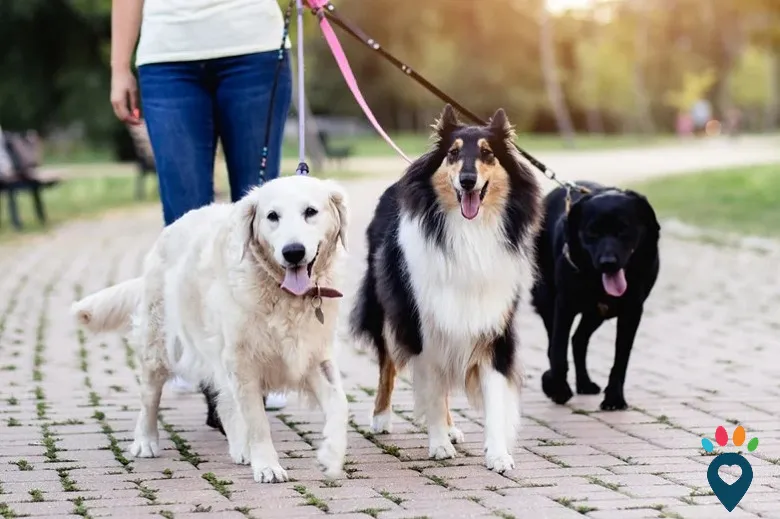
This comprehensive guide combines canine behavior science with practical, step-by-step techniques to help your dog build positive associations with new people, canine friends, and unfamiliar environments.
Understanding Your Dog’s Perspective
Before any introduction, remember: dogs process the world differently than humans. They rely heavily on:
- Body language over verbal cues
- Scent as primary identification
- Personal space as a safety requirement
- Positive associations built through experience
Your dog’s past experiences, breed tendencies, and individual temperament all influence how they approach new situations. The golden rule? Let your dog set the pace.
Part 1: Introducing Your Dog to New People
The Foundation: Reading Canine Body Language
Learn to recognize your dog’s comfort signals:
- Relaxed: Loose body, soft eyes, gentle tail wag
- Uncertain: Lip licking, yawning, turning head away
- Stressed: Stiff body, whale eye (showing whites), tucked tail
- Overwhelmed: Growling, snapping, attempting to flee
Step-by-Step Protocol for Human Introductions
Step 1: Pre-Introduction Briefing
Inform visitors of your dog’s rules before they arrive:
- “Please ignore my dog initially—let them approach you first”
- “No direct eye contact or reaching over their head”
- “Offer treats with an open palm if I indicate it’s appropriate”
Step 2: The Controlled Approach
- Keep your dog leashed initially
- Have guests enter calmly and sit down, ignoring the dog
- Allow your dog to investigate at their own pace
- Reward calm behavior with high-value treats
Step 3: The Permission-Based Interaction
Only when your dog shows relaxed interest:
- Have guests offer treats from their lap or open palm
- Encourage gentle petting on the chest or side, not the head
- Keep initial interactions brief (2-3 minutes)
Special Scenarios:
- Children: Teach them to be “tree statues”—standing still with arms down until the dog approaches
- Uniformed personnel: Desensitize gradually to hats, uniforms, and equipment at home first
- Crowded situations: Use a “do not pet” vest and maintain personal space
Part 2: Introducing Your Dog to Other Dogs
Pre-Introduction Checklist
- ✅ Both dogs are current on vaccinations
- ✅ Neither dog shows signs of illness or injury
- ✅ Both handlers understand proper introduction techniques
- ✅ You have an exit strategy if needed
The Three-Phase Introduction Method
Phase 1: Parallel Walking (No Direct Contact)
- Walk dogs in the same direction on opposite sides of a wide path
- Maintain enough distance that neither dog is fixated on the other
- Gradually decrease distance as both remain calm
- Reward both dogs for calm, disengaged behavior
Phase 2: The Sniff Exchange
- Allow brief, parallel sniffing (3-5 seconds maximum initially)
- Keep leashes loose—tension communicates stress
- Interrupt politely if either dog shows stiffness or fixation
- Continue walking together after successful sniff
Phase 3: Supervised Interaction
- Only proceed if both dogs have remained relaxed
- Keep initial play sessions short (5-10 minutes)
- Watch for appropriate play: loose bodies, role reversals, self-handicapping
- Intervene at signs of tension: stiff posture, raised hackles, deep growling
Red Flags Requiring Immediate Separation:
- One dog consistently avoiding/pinning the other
- Escalating vocalization (high-pitched yelps to deeper growls)
- “Tennis ball” neck targeting (aiming for the scruff)
- Any sign of fear or distress from either dog
Part 3: Introducing Your Dog to New Environments
The Gradual Exposure Framework
Preparation Phase (At Home):
- Acclimate to equipment (booties, raincoats, car harnesses)
- Practice “settle” and “watch me” commands in low-distraction areas
- Play environmental sound recordings at low volume
The Four-Step Environmental Introduction:
Step 1: Observation from a Distance
- Park your car or stand at a comfortable distance from the new environment
- Reward calm observation with high-value treats
- Gradually decrease distance as your dog remains relaxed
Step 2: Brief Exploration
- Enter the environment for 2-3 minutes only
- Don’t force interaction—let your dog observe and process
- Exit before signs of stress appear
Step 3: Positive Association Building
- Bring favorite toys or treats to the new location
- Practice simple, familiar commands in the new space
- Have a calm, enjoyable activity (like chewing a favorite bone)
Step 4: Gradual Exposure Increase
- Slowly extend duration of visits
- Introduce mild challenges only after comfort is established
- Always end on a positive note
Environment-Specific Strategies:
- Urban settings: Start during quiet hours, focus on desensitizing to traffic sounds
- Nature trails: Be mindful of wildlife, practice solid recall before off-leash privileges
- Indoor public spaces: Respect business policies, use mats to define “settle” spaces
- Veterinary/grooming facilities: Schedule “happy visits” with no procedures involved
Troubleshooting Common Challenges
For the Fearful Dog:
- Increase distance from the trigger
- Use higher-value rewards (real meat, cheese)
- Keep sessions extremely brief (30 seconds to 2 minutes)
- Consult a certified force-free behavior professional if fear is severe
For the Over-Enthusiastic Dog:
- Increase exercise before introductions
- Practice impulse control exercises regularly
- Use front-clip harnesses for better management
- Teach and reinforce an incompatible behavior (like “sit” or “go to mat”)
For the Reactive Dog:
- Always use visual barriers initially (distance is your friend)
- Never punish growling—it’s a valuable warning signal
- Implement a “U-turn” cue before reactions occur
- Seek professional guidance from a certified behavior consultant
The Introduction Toolkit: Essential Supplies
- Proper Equipment:
- Well-fitting harness (front-clip for strong dogs)
- 6-foot leather or nylon leash (avoid retractable leashes)
- “Do Not Pet” patches or bandanas when needed
- High-Value Rewards:
- Soft, smelly treats in easy-access pouches
- Portable toys for redirection
- Long-lasting chews for environmental settling
- Safety & Comfort Items:
- Portable water bowl and water
- Familiar mat or blanket
- Calming supplements (consult your vet first)
- First-aid kit
Building Long-Term Confidence: Beyond Single Introductions
Successful introductions aren’t isolated events—they’re building blocks for a confident canine. Implement these practices regularly:
- Weekly “novelty” practice: Introduce one new, mild experience weekly
- Routine variation: Take different walking routes, visit new parks regularly
- Ongoing socialization: Continue positive exposures throughout your dog’s life
- Observation skills: Regularly practice “dog watching” to improve your reading of canine body language
When to Seek Professional Help
Consult a certified professional if your dog shows:
- Aggression (bites, snaps, or attempted bites)
- Extreme fear (shaking, hiding, inability to recover)
- Resource guarding during introductions
- No improvement after consistent, proper implementation of these techniques
Conclusion: The Patient Path to a Well-Adjusted Companion
Introducing your dog to new experiences is a journey, not a destination. Each positive interaction builds your dog’s confidence and strengthens your bond. Remember that progress is measured in small victories: a calm glance where there was once fear, a relaxed sniff instead of reactive barking, a curious approach rather than anxious retreat.
By prioritizing your dog’s emotional state over human expectations, you create a foundation of trust that makes every future introduction easier. The world is full of wonderful experiences waiting to be shared with your canine companion—with patience, understanding, and proper technique, you can explore it all together.
Disclaimer: This guide provides general information based on positive reinforcement principles. Each dog is an individual with unique needs and history. Always prioritize safety, and consult with a certified professional dog trainer or veterinary behaviorist for personalized advice, especially when dealing with fear, anxiety, or aggression. The author and publisher assume no liability for any incidents resulting from the application of these techniques.