
Helping Your Dog Stay Calm During Guests, Parties, and Holidays
The holiday season or a lively party represents joy and connection for humans, but for our canine companions, it often translates into overwhelming sensory overload. The doorbell rings incessantly, strangers fill their territory, unfamiliar smells overwhelm their sensitive noses, and the normal routines that provide security are completely upended. What we intend as festive can become frightening, triggering anxiety, stress behaviors, or even defensive reactions.
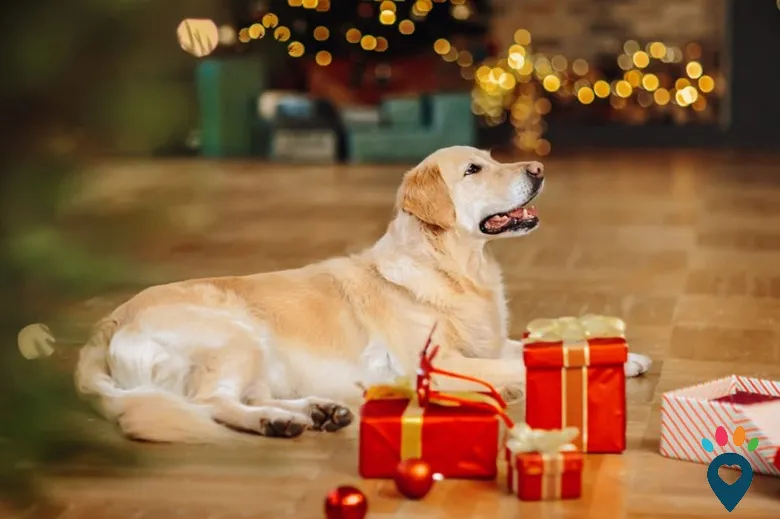
This comprehensive guide moves beyond simply putting your dog in another room. We’ll explore a proactive, compassionate strategy to help your dog not just survive but feel secure during social events. By understanding canine stress signals, implementing smart management, and using proven desensitization techniques, you can create a positive experience for both your dog and your guests.
Section 1: Decoding Canine Stress – The Signs We Often Miss
Before we can help our dogs cope, we must recognize when they are struggling. Stress signs can be subtle, especially in dogs who want to please their owners.
Early Warning Signs (Yellow Light – Proactive Intervention Needed)
- Lip licking or yawning when not tired or hungry
- “Whale eye” – showing the whites of their eyes
- Pacing or inability to settle
- Shaking off as if wet (a stress reset behavior)
- Excessive sniffing the ground in a preoccupied manner
- Low tail carriage or slow, stiff wagging
Moderate Stress Signs (Orange Light – Active Management Required)
- Hiding behind furniture or between owner’s legs
- Refusing treats (a major indicator—a happy, relaxed dog rarely refuses food)
- Panting when not hot or exercised
- Trembling
- Hyper-vigilance – constantly scanning the room
Severe Stress/Overthreshold Signs (Red Light – Immediate Removal Required)
- Growling, snarling, or snapping
- Cowering or frozen posture
- Attempting to escape or bolt out doors
- Destructive behavior (chewing, digging)
- Submissive urination
- Excessive, repetitive barking
Key Insight: A dog who is hiding or avoiding interaction is communicating clearly. Forcing them to “say hello” is a violation of their boundaries and will increase fear.
Section 2: The Proactive Preparation Plan – Starting Weeks in Advance
Success during events is determined by preparation, not just the day-of management.
1. Create and Reinforce a “Safe Zone”
- Choose a location: A quiet bedroom, crate in a low-traffic area, or gated space.
- Make it positive: Feed meals there, hide special treats, associate it with calmness.
- Train a settle cue: Use a specific mat or bed with a cue like “Go to your place” and reward heavily for calm behavior there. This becomes their official “off-duty” spot.
- Soundproof: Use a white noise machine, fan, or calming music (through platforms like “DogTV” or “Through a Dog’s Ear”) to buffer household noise.
2. Pre-Guest Desensitization Drills
Many dogs are set off by the specific triggers of guests arriving. Systematically desensitize them:
For Doorbell/Knock Anxiety:
- Record the sound on your phone.
- Play it at a very low volume while feeding high-value treats or during a fun play session.
- Gradually increase volume over days/weeks, always pairing with positive things.
- Practice having a family member knock or ring the bell, then immediately toss a treat to your dog before they react. Teach them “doorbell = chicken appears!”
For Stranger Anxiety:
- If your dog is nervous around new people, start with “stranger at a distance” exercises.
- Have a friend stand at the far end of your yard or street. While your dog looks at them, feed treats. The stranger does not approach. The dog learns: “Person far away = good things.”
- Over sessions, have the friend gradually decrease distance, but never force an interaction.
3. Establish Clear Guest Guidelines
Consider sending a polite, pre-party text or email to guests:
“We’re so excited to see you! To help our dog [Name] feel comfortable, we have a couple of friendly requests:
- Please ignore [him/her] when you arrive—no eye contact or reaching to pet.
- If [he/she] approaches you, please offer a treat from this bowl (we’ll have them handy!).
- Our dog’s quiet room is [X], so please avoid that hallway.
Thanks for helping us keep everyone safe and happy!”
This sets expectations and prevents well-meaning guests from overwhelming your dog.
Section 3: The Event Day Strategy – A Hour-by-Hour Guide
4+ Hours Before: Exercise and Enrichment
- Provide a solid, long walk or play session to burn initial physical energy.
- Avoid over-exercising to the point of exhaustion, which can lower stress tolerance.
- Follow with a mental enrichment activity (food puzzle, snuffle mat, frozen Kong) to promote calmness. Mental work is more tiring than physical.
1-2 Hours Before: Set-Up and Last Prep
- Set up the Safe Zone: Ensure it’s stocked with water, a long-lasting chew, comfort items, and white noise.
- Place leashes and treat jars strategically by all entrances.
- Use calming aids if appropriate: Consider an Adaptil (pheromone) collar or spray, a Thundershirt (anxiety wrap), or vet-recommended calming supplements. Note: Test these aids before the event to ensure they help and don’t cause any adverse reactions.
- Exercise your management plan: Who will be the primary dog handler? Who will answer the door?
Guest Arrival Protocol – The Most Critical Phase
This is when energy is highest and most chaotic.
- Greet guests outside or with the dog secured. The best option is to put your dog in their safe zone before the first guest arrives. Let them settle before any introductions.
- If the dog is present for greetings:
- Keep them on a leash for control.
- Instruct guests to be “a tree”: No approaching, no leaning over, no direct eye contact. Have guests toss treats on the ground near them, not from their hand.
- Watch your dog’s body language closely. If they show any stress signs, calmly lead them to their safe zone. Do not force interactions.
During the Event: Continuous Management
- Enforce “Quiet Time”: After the initial excitement, give your dog a mandatory break in their safe zone for at least 30-60 minutes with a fantastic chew (like a stuffed Kong).
- Monitor access: Use baby gates to control your dog’s access to the busiest areas (like the kitchen or front door).
- Watch for food and drink hazards: Keep human food, alcoholic beverages, and trash out of reach.
- Provide an “exit strategy”: Always ensure your dog has a clear path to retreat to their safe zone without being cornered.
Special Hazard Management
- Holiday Decorations: Secure cords, avoid tinsel (extremely dangerous if ingested), and keep ornaments off low branches.
- Festive Plants: Many (poinsettia, holly, lilies, mistletoe) are toxic to dogs.
- Food Dangers: Chocolate, xylitol (in sugar-free gum/desserts), grapes/raisins, alcohol, and fatty foods must be kept completely inaccessible.
Section 4: Tailoring the Plan to Your Dog’s Personality
For the Social Butterfly:
Goal: Manage excitement, not fear.
- Practice a solid “sit” or “place” command for greetings to prevent jumping.
- Use leashes/gates to prevent them from overwhelming shy guests.
- Their “break” in the safe zone is to prevent overstimulation, not anxiety.
For the Shy or Anxious Dog:
Goal: Safety and choice above all.
- They should spend most of the event in their safe zone with the door closed.
- Check on them periodically with calm reassurance and a special treat.
- Advocate fiercely for them—politely but firmly tell guests, “He’s taking a nap, let’s not disturb him.”
For the Guarding/Reactive Dog:
Goal: Absolute prevention of incidents.
- They should be securely housed in their safe zone well before guests arrive.
- Use a visual barrier on their crate or gate.
- Consider a “Beware of Dog” sign on the door as an extra precaution for delivery people.
- This is not the time to test progress. Their and everyone else’s safety is the priority.
For the Puppy:
Goal: Prevent overwhelm and build positive associations.
- Enforce a strict “1 hour awake, 2 hours napping” schedule in their crate/safe zone.
- Supervise ALL interactions—puppies can be accidentally injured, and they can also nip excitedly.
- This is a prime training opportunity for calm behavior in exchange for treats.
Section 5: Post-Event Recovery and Assessment
The event’s end doesn’t mean your dog’s stress is over.
The Wind-Down
- Offer a calm, familiar activity like a gentle evening walk or a grooming session.
- Provide a quiet dinner in their usual spot.
- Observe them for any residual stress signs (pacing, whining).
Learn and Adapt for Next Time
- What worked? (e.g., the frozen Kong kept them occupied for an hour)
- What didn’t? (e.g., having them out during dinner was too chaotic)
- What was your dog’s stress level? Be honest in your assessment.
- Adjust your plan accordingly. Each event is data for creating a better experience next time.
Conclusion: Celebration with Compassion
Helping your dog navigate busy social events is an act of deep empathy. It requires us to see our homes from their perspective—a territory suddenly invaded by loud, unpredictable giants who ignore all the normal rules.
The goal is not to have a dog who is the life of the party, but to have a dog who feels safe in their own home, regardless of what’s happening around them. This security builds trust and deepens your bond. By planning ahead, advocating for their needs, and respecting their boundaries, you send a powerful message: “Your wellbeing is my priority, even during the celebrations.”
The most successful gathering is one where your dog is either happily participating in a calm, managed way or is peacefully sleeping in their sanctuary, undisturbed. That peace is the ultimate holiday gift you can give your faithful companion.
Remember: A calm dog is not just a well-behaved dog—they are a confident and secure family member. Your thoughtful preparation is the key to their comfort.
Disclaimer: This article provides general behavioral guidance for managing dogs during social events. It is not a substitute for professional advice from a certified dog behavior consultant or veterinarian. Dogs with severe anxiety, fear, or aggression should be evaluated by a professional before being exposed to stressful situations. Always prioritize safety for both your dog and your guests. The author and publisher assume no liability for incidents resulting from the application of this information. Consult with your veterinarian regarding the use of any calming supplements or aids.