Grooming a Double-Coated Breed: Seasonal Shedding & Coat Health
Double-coated breeds—from majestic Siberian Huskies and loyal German Shepherds to fluffy Golden Retrievers and energetic Australian Shepherds—possess one of nature’s most ingenious thermal regulation systems. Yet this brilliant adaptation creates one of the most misunderstood grooming challenges in the canine world. The seasonal “blow” of their undercoat transforms homes into snowdrifts of fur and leaves well-intentioned owners reaching for clippers in desperation.
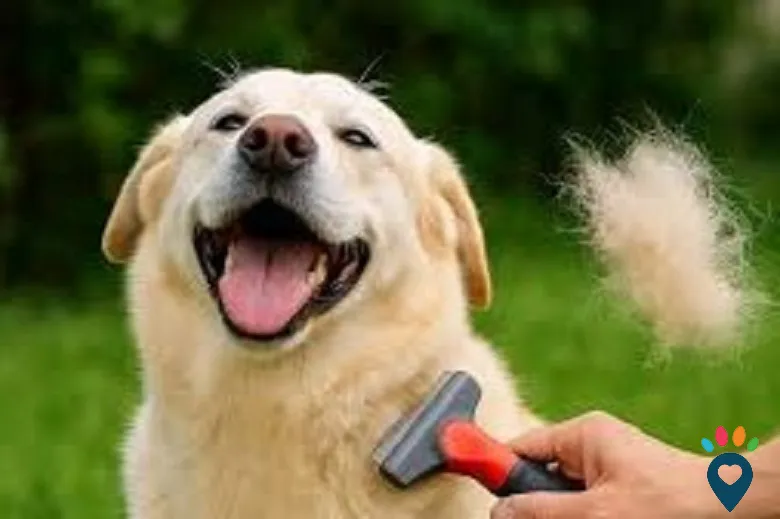
This comprehensive guide will demystify the double coat, providing science-backed strategies to manage shedding while preserving the coat’s vital protective functions. We’ll debunk dangerous grooming myths and offer practical techniques that work with your dog’s natural biology, not against it.
Section 1: Understanding the Double Coat Architecture
The Two-Layer System: More Than Just “Fur”
1. The Undercoat:
- Structure: Soft, dense, wool-like hairs close to the skin
- Function: Insulation—traps air to regulate temperature in both winter AND summer
- Growth cycle: Sheds seasonally (typically spring and fall)
- Texture: Often lighter in color than the topcoat
2. The Topcoat (Guard Hairs):
- Structure: Longer, coarser, water-resistant hairs
- Function: Protection from sun, moisture, dirt, and insects
- Growth cycle: Grows continuously, sheds minimally year-round
- Texture: Often straight or slightly wavy
The Thermal Regulation Mythbuster
Critical Understanding: The undercoat doesn’t just keep dogs warm—it keeps them cool. By trapping a layer of temperature-regulated air close to the skin, it:
- Prevents overheating in summer (insulates against external heat)
- Prevents hypothermia in winter (retains body heat)
- Protects against sunburn and UV damage
- Regulates moisture to prevent skin drying
Section 2: The Seasonal Shedding Cycle Demystified
What Triggers “The Blow”?
Shedding is primarily influenced by:
- Daylight changes: Lengthening (spring) or shortening (fall) days
- Temperature fluctuations: Though less influential than light cycles
- Hormonal factors: Intact females may shed after heat cycles
- Indoor living: Artificial lighting and climate control can disrupt natural cycles
The Two Major Shedding Seasons
Spring Shed (The “Big Blow”):
- Timing: Late spring to early summer
- Purpose: Shed dense winter undercoat for lighter summer coat
- Duration: 2-4 weeks of intense shedding
- What to expect: Tufts of soft undercoat coming out in handfuls
Fall Shed:
- Timing: Late fall
- Purpose: Shed summer coat, grow dense winter undercoat
- Duration: Typically less dramatic than spring shed
- What to expect: More gradual shedding of both coat layers
Year-Round Shedding: Some continuous shedding is normal, especially for indoor dogs exposed to artificial light.
Section 3: The Golden Rule: Never Shave a Double-Coated Dog
Why Shaving Causes Irreversible Damage
Myth: “Shaving will keep my dog cooler in summer.”
Reality: Shaving disrupts the coat’s natural function and can cause:
- Permanent Coat Damage:
- Alters hair follicle growth cycles
- May cause patchy, uneven regrowth
- Can change texture (softer, less protective)
- Some hairs may not regrow at all
- Increased Health Risks:
- Sunburn and skin cancer: Exposes pale, sensitive skin
- Heat absorption: Dark skin absorbs more solar radiation
- Insect bites: No protective barrier against mosquitoes or ticks
- Temperature dysregulation: Loss of natural insulation
- The “Growing Back” Nightmare:
- Undercoat often grows back faster than guard hairs
- Creates a woolly, matted appearance
- Lacks proper water resistance and sun protection
- Requires intensive grooming to prevent matting
The Only Acceptable Exceptions:
- Medical procedures: As directed by a veterinarian
- Severe matting: When dematting would cause more trauma than shaving
- Certain skin conditions: With veterinary recommendation
Even then, consider a “comb cut” (trimming but leaving significant length) rather than shaving to the skin.
Section 4: The Right Tools for the Job
Essential Grooming Toolkit
For Undercoat Removal:
- Undercoat Rake: Long teeth reach through topcoat to remove loose undercoat
- Slicker Brush: Fine wires catch loose hairs; use gently to avoid brush burn
- Deshedding Tool (Like Furminator®): Use with caution—follow manufacturer guidelines to avoid damaging topcoat
- Grooming Rake: For thick-coated breeds; removes dead undercoat without cutting
For Topcoat Maintenance:
- Pin Brush: Long, rounded pins detangle without scratching skin
- Bristle Brush: Distributes natural oils, adds shine
- Metal Comb: Checks for remaining tangles after brushing
Specialized Tools:
- High-Velocity Dryer: Professional tool that blows out loose undercoat
- Grooming Table: Safer and more comfortable for extended sessions
- Mat Splitter/Dematter: For dealing with tangles safely
Tool Selection by Breed Type:
- Northern Breeds (Huskies, Malamutes): Undercoat rake, pin brush
- Shepherding Breeds (GSDs, Collies): Slicker brush, undercoat rake
- Retriever Types: Curry brush, deshedding tool
- Spitz Breeds: Pin brush, metal comb
Section 5: The Step-by-Step Seasonal Grooming Protocol
During “The Blow” (Intense Shedding Period)
Daily Routine (15-20 minutes):
- Pre-brush inspection: Check for mats, especially behind ears, under legs, around collar
- Line brushing technique:
- Part coat into sections
- Brush from skin outward in direction of hair growth
- Work systematically over entire body
- Undercoat removal: Use appropriate rake or deshedding tool in direction of hair growth
- Final pass: Use bristle brush to distribute oils and check for missed spots
- Paw and sanitary check: Trim hair between paw pads, around genitals
Weekly Deep Grooming (30-45 minutes):
- Pre-bath blowout: Use high-velocity dryer to remove loose undercoat (outside recommended!)
- Therapeutic bath:
- Use deshedding or moisturizing shampoo
- Rinse thoroughly—residue attracts dirt
- Consider conditioner for dry coats
- Post-bath drying: Towel dry, then use dryer on cool/low setting
- Final brushing: Coat should be completely dry before final brush-out
Off-Season Maintenance (Low-Shed Period)
Weekly Routine:
- Full body brushing (10-15 minutes)
- Check and clean ears
- Trim nails if needed
- Dental care
Monthly Maintenance:
- Thorough inspection for developing mats
- Sanitary trim if needed
- Paw pad hair trimming
- Bath only if dirty or odorous (over-bathing strips natural oils)
Section 6: Special Situations and Troubleshooting
Dealing with Mats and Tangles
Prevention is key, but if mats occur:
For small mats:
- Apply detangling spray or conditioner
- Gently work apart with fingers
- Use mat splitter or dematting tool
- Brush out carefully with slicker brush
For severe matting:
- Consult professional groomer
- May require strategic shaving of affected areas
- Never cut mats with scissors (high risk of cutting skin)
The Senior Double-Coated Dog
Age-related changes:
- Coat may become drier, thinner
- Shedding patterns may change
- May develop “old dog” odor
- Reduced flexibility makes self-grooming difficult
Adapted care:
- Gentler brushing techniques
- More frequent but shorter sessions
- Moisturizing shampoos and conditioners
- Regular vet checks for skin conditions
Climate Considerations
Hot climates:
- More frequent undercoat removal
- Provide cooling options (mats, shade, water)
- Never shave—maintain sun protection
Cold climates:
- Allow winter coat to develop fully
- Protect paw pads from ice melt chemicals
- Check for snow/ice accumulation in paw hair
Section 7: Nutrition and Coat Health
Dietary Factors Affecting Coat Quality
Essential nutrients:
- Omega-3 fatty acids: Reduce inflammation, improve shine
- Protein: Hair is 95% protein—quality matters
- Biotin and B vitamins: Support hair growth
- Zinc: Deficiency causes hair loss and poor coat
Supplement considerations:
- Fish oil or salmon oil
- Coconut oil (in moderation)
- Eggs (with veterinary approval)
- Specialized skin/coat formulas
Hydration: Adequate water intake is crucial for skin and coat health.
Section 8: When to Seek Professional Help
Consult a Professional Groomer When:
- You’re unsure about proper techniques
- Mats have become severe
- Your dog strongly resists grooming
- You need guidance on breed-specific styling
- Before any major coat alteration
Consult Your Veterinarian If You Notice:
- Excessive shedding outside normal cycles
- Bald patches or thinning coat
- Skin irritation, redness, or sores
- Changes in coat texture or color
- Excessive scratching or licking
- Foul odor from skin or coat
These could indicate:
- Allergies or skin infections
- Hormonal imbalances (thyroid, Cushing’s)
- Parasites (mites, fleas)
- Nutritional deficiencies
- Underlying health conditions
Section 9: Creating a Positive Grooming Experience
Building Trust and Cooperation
- Start early: Introduce grooming to puppies gradually
- Keep sessions short: Especially initially
- Use high-value rewards: Treats during and after grooming
- Watch for stress signals: Panting, yawning, whale eye
- End positively: Always finish with praise and play
The Grooming Station Setup
- Non-slip surface
- Good lighting
- All tools within reach
- Distractions minimized
- Comfortable for both you and your dog
Conclusion: Working With Nature, Not Against It
Grooming a double-coated breed is less about battling nature and more about understanding and cooperating with a brilliant biological system. When we respect the coat’s design and work with its natural cycles, we preserve our dogs’ health while managing the practical realities of living with these magnificent, furry companions.
The tufts of undercoat drifting through your home each season aren’t a nuisance—they’re evidence of a perfectly functioning natural system adapting to the changing world. Your brushing sessions become more than grooming; they’re health checks, bonding opportunities, and your contribution to your dog’s wellbeing.
Embrace the seasonal blows as nature’s way of keeping your companion comfortable year-round. Arm yourself with the right knowledge and tools, establish a consistent routine, and remember: that glorious coat is part of what makes your double-coated dog uniquely equipped to share life’s adventures with you—in any weather.
Your patience and proper care preserve one of nature’s most perfect designs.
Disclaimer: This guide provides general information about double-coated breed grooming. Individual dogs have unique needs based on breed, health, age, and environment. Always consult your veterinarian for specific health concerns and a professional groomer for personalized grooming advice. The author and publisher assume no liability for grooming outcomes. Never shave a double-coated dog without veterinary recommendation, and always prioritize gentle, positive grooming techniques.