
Low-Impact Exercise Ideas for Senior or Overweight Dogs
As our canine companions age or carry extra weight, their exercise needs transform dramatically. That high-energy fetch session or long jog that once kept them fit can now cause pain, accelerate joint deterioration, or even trigger medical emergencies. However, reducing activity entirely creates its own dangers: muscle atrophy, weight gain, stiffness, and decreased quality of life.
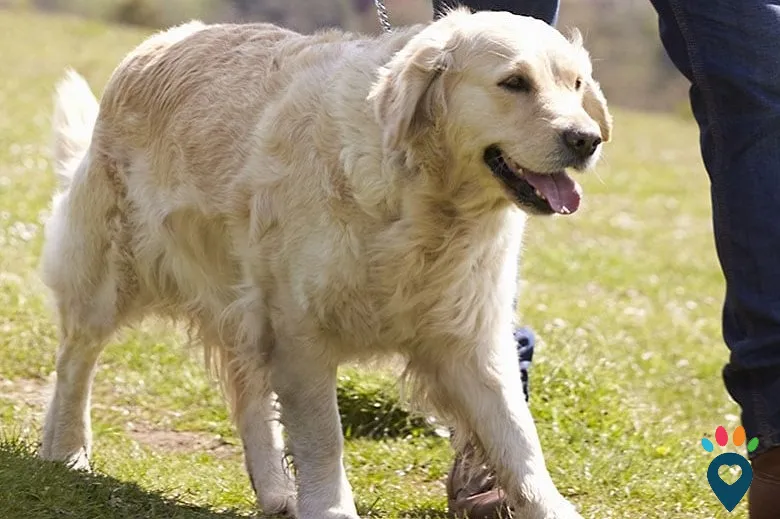
This comprehensive guide introduces the paradigm of “low-impact, high-benefit” movement—scientifically-backed exercises that maintain strength, flexibility, and cardiovascular health without stressing aging joints or overtaxing overweight bodies. We’ll provide practical, adaptable routines that respect your dog’s current limitations while actively improving their wellbeing.
Section 1: Understanding the Changed Body
The Senior Dog’s Physiological Shifts
Musculoskeletal Changes:
- Arthritis: 80% of dogs show signs by age 8
- Decreased muscle mass: Up to 30% loss in some breeds
- Reduced flexibility: Joint capsules thicken, lubricating fluid decreases
- Balance and proprioception decline: Nerve signaling slows
Cardiovascular & Metabolic Changes:
- Reduced cardiac output: Heart works less efficiently
- Lower stamina: Oxygen utilization decreases
- Slower metabolism: Calories burn 20-30% slower than in youth
- Temperature regulation challenges: Both heat and cold intolerance
Sensory Changes:
- Vision/hearing decline: Affects confidence and spatial awareness
- Cognitive changes: May affect exercise motivation and persistence
The Overweight Dog’s Additional Challenges
For every pound of excess weight:
- 4 pounds of extra pressure on joints during walking
- Increased inflammation throughout body
- Reduced lung capacity and breathing efficiency
- Higher risk of diabetes, hypertension, and certain cancers
The Vicious Cycle:
Pain → Less movement → Weight gain → More pain → Further reduced movement
Section 2: Pre-Exercise Essentials: Veterinary Partnership & Assessment
The Mandatory Veterinary Consultation
Before beginning any new exercise program:
- Complete physical examination
- Pain assessment (dogs hide pain instinctively)
- Weight evaluation and ideal target setting
- Diagnostic tests as needed:
- Blood work (thyroid, organ function)
- X-rays for arthritis evaluation
- Cardiac evaluation if indicated
- Pain management plan if needed (medications, supplements, therapies)
At-Home Mobility Assessment
Perform monthly to track changes:
- Rise test: Time how long to stand from lying position
- Stair negotiation: Observe willingness and technique
- Sitting symmetry: Note if favoring one side
- Gait observation: Look for limping, stiffness, or shortened stride
- Interest in activity: Document enthusiasm changes
Creating a “Movement Prescription”
Work with your vet to establish:
- Daily duration: Start with 5-10 minute sessions
- Frequency: Often better to do multiple short sessions
- Intensity markers: Breathing rate, recovery time
- Pain signals: What to watch for and when to stop
- Progression timeline: When to increase duration/intensity
Section 3: Foundation Exercises – Building Strength Safely
1. Controlled Leash Walks
Not just walking—strategic movement:
- Surface selection: Grass, dirt, or specialized rubber tracks over concrete
- Pace variation: Mix slow strolls with brief, purposeful strides
- Duration strategy: 3 × 10-minute walks often better than 1 × 30-minute walk
- Terrain: Gentle hills provide strengthening without jarring impact
Technique matters:
- Loose leash: Prevents joint torque from pulling
- Proper harness: Front-clip for pullers, supportive for seniors
- Temperature awareness: Morning/evening in summer, midday in winter
2. Cavaletti Poles (Ground Poles)
Builds proprioception, flexibility, and controlled movement:
- Setup: 4-6 poles spaced at dog’s natural stride length
- Height: Begin with poles on ground
- Exercise: Slow, controlled walking over poles
- Benefits: Encourages limb lifting, joint flexion, and conscious movement
- Progression: Gradually raise poles 1-2 inches using cups or blocks
3. Weight-Shifting & Balance Work
Improves core strength and stability:
- Cookie stretches: Lure nose toward shoulder, hip, between front legs
- Paw lifts: Gently lift one paw (1-2 seconds), reward, alternate sides
- Balance cushion work: Standing on soft, unstable surface (begin with 10 seconds)
- Three-leg stands: With support, encourage brief three-legged stance
4. Assisted Standing & Transitions
Strengthens without full weight-bearing:
- Sit-to-stand repetitions: 3-5 reps with treat motivation
- Down-to-sit transitions: With support if needed
- Supported standing: Using sling or towel under belly for standing practice
- Ramp training: For getting on/off furniture or into vehicles
Section 4: Water-Based Exercises – The Ultimate Low-Impact Medium
1. Hydrotherapy (Professional Setting)
If available, provides exceptional benefits:
- Underwater treadmill: Controlled environment, adjustable water height
- Swimming pools: With trained therapists, proper flotation support
- Therapeutic benefits: 85% weight reduction in chest-deep water
2. Home Water Exercises
Simple backyard or bathtub options:
- Shallow wading: Baby pool or shallow stream walking
- Controlled swimming: Only if dog is confident, with flotation vest
- Water resistance walking: In and out of shallow water builds strength
- Precautions: Monitor for fatigue, dry ears thoroughly, watch for slipping
3. DIY Hydrotherapy Principles
Even without specialized equipment:
- Water height: Between elbow and shoulder joint for optimal effect
- Temperature: Warm water (80-90°F) for muscle relaxation
- Duration: Begin with 5 minutes, build to 15-20
- Post-session: Warm, dry environment, gentle stretching
Section 5: Mental Movement – Cognitive-Physical Integration
1. Scent Work Walks
Transform walks into engaging detective work:
- Hide treats along walk route before leaving
- Use “find it” command to encourage searching
- Vary hiding spots: Ground level, slightly elevated, behind objects
- Benefits: Slower pace, mental stimulation, natural movement patterns
2. Obstacle Courses (Senior-Friendly Version)
Adapt agility for aging bodies:
- Tunnels: Short, straight, well-supported
- Low platforms: 4-6 inches high for step-ups
- Weave poles: Widely spaced (3+ feet apart)
- Pause boxes: Designated rest stations
- Rule: Everything voluntary, no jumping, all rewards
3. Food Dispensing on the Move
Encourage gentle movement during meals:
- Scatter feeding in yard or on snuffle mat
- Slow feeder balls that roll with gentle nudges
- Multiple station feeding: Place small portions around room/house
- Lick mats on elevated surface to encourage standing
Section 6: Specialized Routines by Condition
For Arthritis-Dominant Dogs:
- Morning: Gentle range-of-motion stretches (5 minutes)
- Midday: Short, slow walk on soft surface (8-10 minutes)
- Afternoon: Supported standing exercises (3-5 minutes)
- Evening: Warm compress to stiff areas, passive stretching
For Obesity-Focused Dogs:
- Frequency: 4-5 brief sessions daily
- Type: Combination leash walks + food-motivated movement
- Intensity: Maintain “exercise breathing” (slightly panting) without distress
- Progression: Increase duration 10% weekly if no lameness
For Canine Cognitive Dysfunction:
- Routine: Same times, same routes daily
- Engagement: High-value rewards for participation
- Supervision: Close monitoring for confusion or anxiety
- Adaptation: Willingness to shorten or cancel if dog seems distressed
Post-Surgical/Injury Recovery:
- Only with veterinary physical therapy prescription
- Strict adherence to restrictions
- Passive range-of-motion before active exercise
- Ice/heat as directed after sessions
Section 7: Equipment for Safe Support
Essential Support Gear:
- Help ‘Em Up Harness: Full-body support for standing/walking
- Non-slip flooring/socks: For secure footing indoors
- Orthopedic dog beds: Support during rest periods
- Ramps: For furniture/car access
- Elevated feeders: Reduce neck/strain during meals
Exercise-Specific Equipment:
- Cavaletti poles: DIY with PVC pipe and cups
- Balance cushions: Human yoga pillows work well
- Treat pouch: For continuous reinforcement
- Long line: For safe outdoor exploration
- Water harness: For supported swimming
What to Avoid:
- Retractable leashes (sudden jolts, poor control)
- Choke/prong collars (neck strain, tracheal damage)
- Slippery surfaces without traction aids
- Forced exercise beyond demonstrated tolerance
Section 8: The Daily Movement Plan – Sample Schedules
The Conservative Starter Plan (Week 1-2):
Morning (15 minutes total):
- 5 min: Gentle stretching/massage
- 5 min: Slow leash walk
- 5 min: Hydration and rest
Afternoon (10 minutes):
- 3 min: Food-searching activity
- 4 min: Standing balance exercises
- 3 min: Rest
Evening (10 minutes):
- 5 min: Slow leash walk
- 5 min: Cool-down and joint care
The Intermediate Plan (Month 1-2):
Morning (20 minutes):
- 5 min: Stretching/massage
- 10 min: Varied terrain walk
- 5 min: Cavaletti poles or balance work
Afternoon (15 minutes):
- 10 min: Mental-physical combo (scent trail + mild obstacles)
- 5 min: Supported standing/weight shifts
Evening (10 minutes):
- 10 min: Gentle neighborhood stroll
- Post-walk: Warm compress to stiff areas
The Maintenance Plan (Ongoing):
Customized based on individual progress, seasonal adjustments, and changing needs.
Section 9: Recognizing Limits & Preventing Injury
Stop Immediately If You Observe:
- Lameness or limping during or after exercise
- Excessive panting that doesn’t resolve with rest
- Reluctance to continue or attempts to lie down during activity
- Confusion, anxiety, or distress
- Vomiting, coughing, or blue-tinged gums
The “Two-Hour Recovery Rule”:
Your dog should return to normal:
- Breathing rate within 10-15 minutes
- Energy level within 30 minutes
- Mobility should not be worse 2 hours post-exercise
If these don’t occur, reduce duration/intensity next session.
Regular Reassessment:
- Monthly at-home mobility checks
- Veterinary re-evaluation every 3-6 months
- Adjustment for seasonal changes (heat, cold, humidity)
- Medication review as mobility changes
Section 10: Complementary Therapies
Veterinary-Approved Adjuncts:
- Physical Therapy: Targeted exercises, modalities
- Acupuncture: Pain management, inflammation reduction
- Massage Therapy: Muscle relaxation, circulation improvement
- Laser Therapy: Pain relief, tissue healing
- Supplements: Glucosamine, omega-3s, Adequan injections
Home Support Practices:
- Warm compresses before exercise (for stiffness)
- Cool compresses after exercise (for inflammation)
- Gentle massage techniques
- Proper nutrition for weight and joint support
- Environmental modifications (ramps, non-slip surfaces)
Conclusion: Movement as Medicine, Gentleness as Wisdom
The transition to low-impact exercise represents not a limitation, but an evolution in your care—an acknowledgment that what your dog needs now is different from what they needed five years ago, yet no less important. This approach honors their life stage while actively combating the decline that comes with inactivity.
Success isn’t measured in distance covered or calories burned, but in maintained muscle tone, sustained joint flexibility, preserved cognitive function, and that unmistakable spark of engagement in your dog’s eyes when they recognize it’s time for “their” special activity.
Begin today with a veterinary conversation. Start tomorrow with five minutes of conscious, gentle movement. What you’re building isn’t just an exercise routine—it’s a foundation for more quality time, more shared moments, and more comfortable days together. In a world that often celebrates canine athleticism, there’s profound wisdom and love in learning to move gently together.
The best exercise for your senior or overweight dog isn’t the most strenuous—it’s the most sustainable.
Disclaimer: This guide provides general information about low-impact canine exercise. It is not veterinary medical advice. Always consult your veterinarian before beginning any new exercise program, particularly for dogs with existing health conditions, mobility issues, or obesity. Each dog has unique needs and limitations requiring personalized veterinary guidance. The author and publisher assume no liability for injuries or health complications resulting from the application of these suggestions. Monitor your dog closely during all activities and discontinue immediately if signs of pain, distress, or overexertion appear. Proper veterinary supervision is essential for safe implementation.