
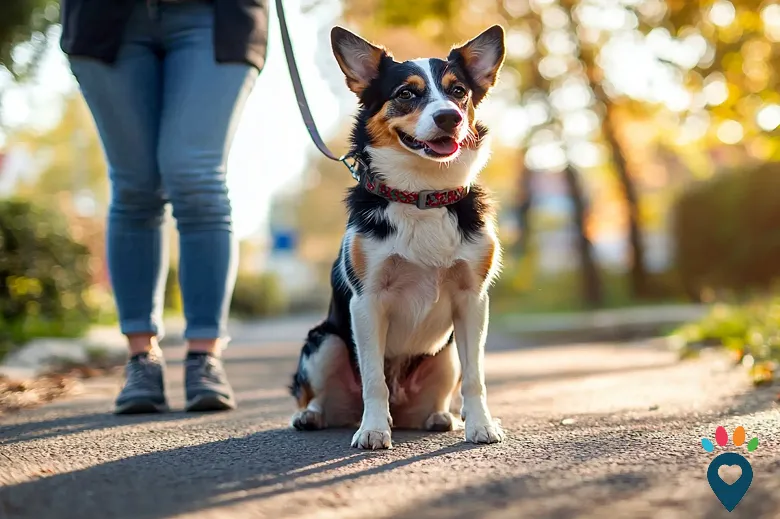
Dealing with Leash Reactivity: Training Steps for Calmer Walks
Does your dog transform from a calm companion into a barking, lunging frenzy the moment they see another dog, person, or car on a walk? You’re not alone. Leash reactivity is one of the most common—and most challenging—behavioral issues dog owners face. It’s characterized by a strong, often frustrated or fearful, overreaction to stimuli while on a leash. The good news: with patience, consistency, and the right approach, you can help your dog learn to face the world with calm confidence…
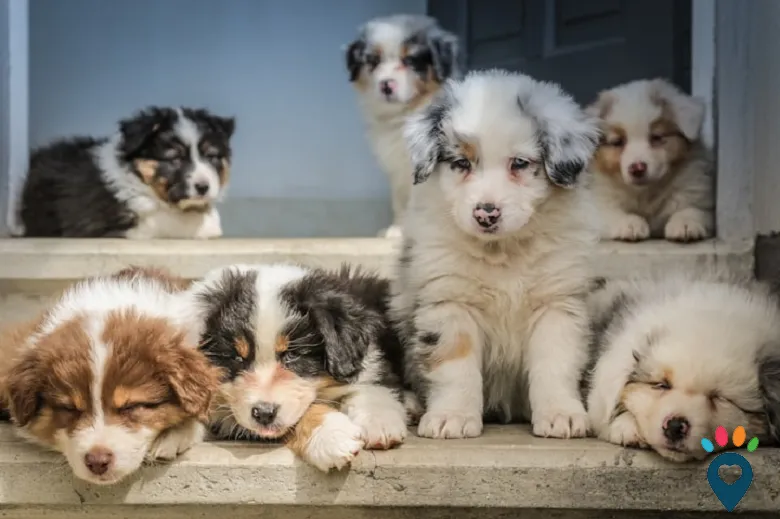
Puppy Socialization Checklist: Critical Experiences Before 16 Weeks
The period between 3 and 16 weeks of age is a developmental golden hour for your puppy. During this critical window, their brain is exceptionally receptive to new experiences, making it the single most important time to shape a confident, well-adjusted adult dog. Miss this window, and you risk a lifetime of anxiety, fear, and reactivity…
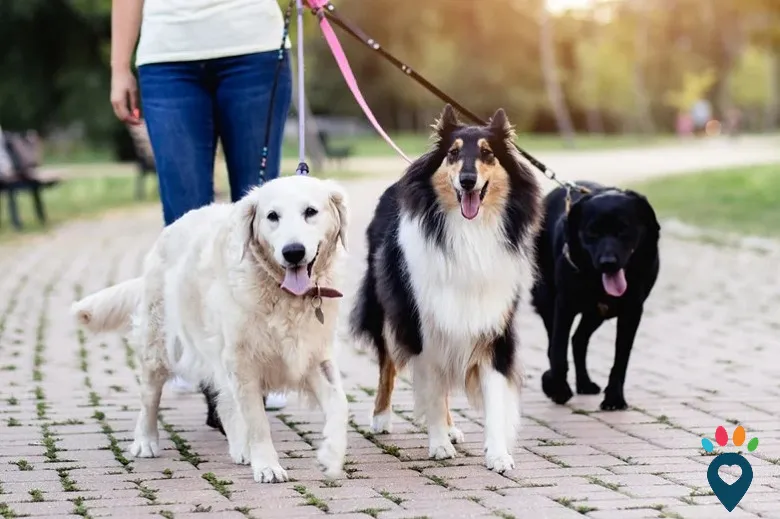
How to Introduce Your Dog to New People, Dogs & Environments
Introducing your dog to new experiences is more than just social courtesy—it’s a critical investment in their long-term wellbeing. A poorly managed introduction can create lasting fear, anxiety, or reactivity, while a positive one builds confidence and resilience. Whether you have a playful puppy or a seasoned adult dog, mastering the art of introductions ensures your companion feels secure in our ever-changing world…
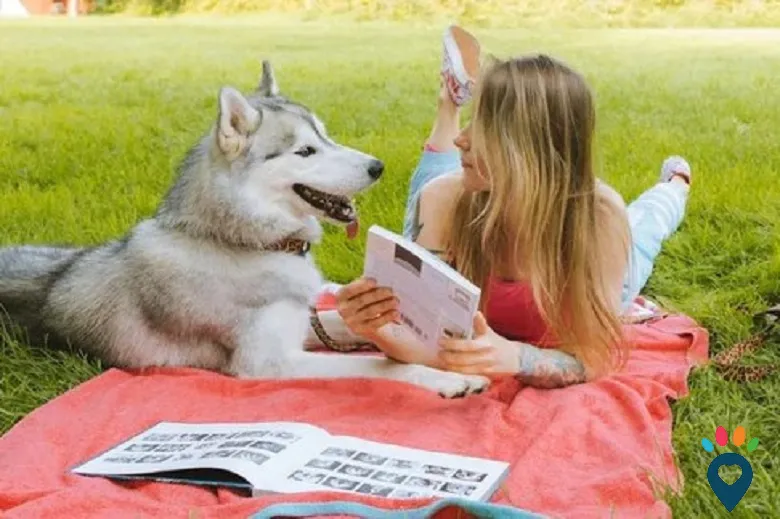
Dog Park Etiquette: Rules for a Safe and Positive Experience
Dog parks represent both immense opportunity and significant risk in a dog’s social life. These spaces offer off-leash freedom, canine companionship, and vital exercise—but without proper etiquette, they can quickly become stressful environments that reinforce negative behaviors or lead to dangerous confrontations. Understanding and practicing proper dog park etiquette isn’t just about politeness; it’s about creating an environment where all participants, both canine and human, can enjoy a safe, positive experience…
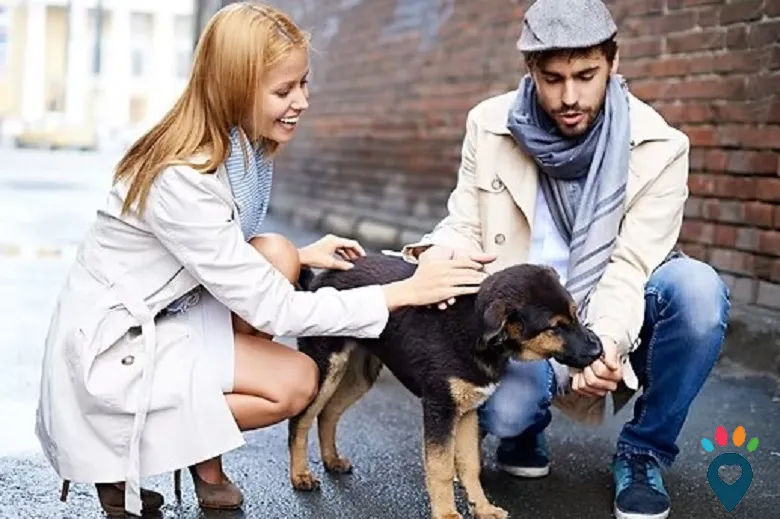
Socializing an Adult Rescue Dog: Patience and Proven Techniques
Socializing an adult rescue dog is not about teaching a blank slate—it’s about rewriting a story. Unlike puppies, rescue dogs carry histories filled with unknown experiences, potential trauma, and gaps in their social education. This journey requires a special blend of patience, empathy, and strategic techniques that acknowledge their past while carefully building their future…
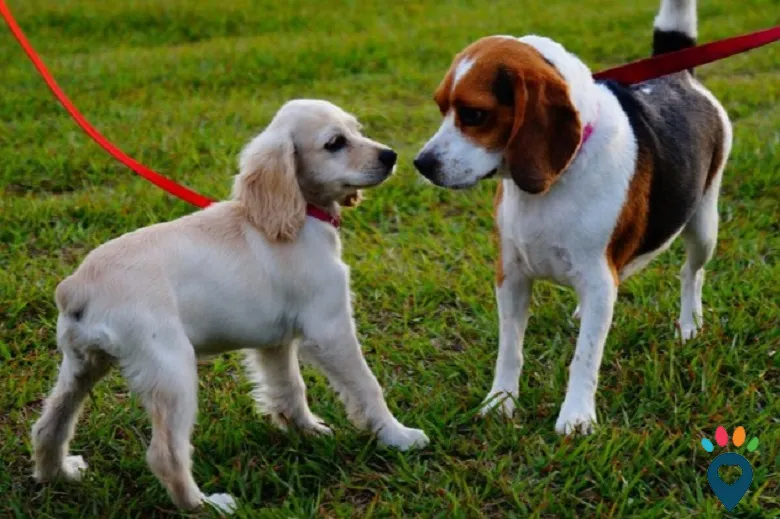
Organizing a Successful “Puppy Playdate”: A Host’s Guide
A well-organized puppy playdate is more than just adorable photo opportunities—it’s a critical component of a young dog’s social development. These controlled social interactions teach bite inhibition, appropriate play signals, and canine communication in ways that human-directed training cannot replicate. However, without proper planning, playdates can quickly devolve into overwhelming chaos or reinforce negative behaviors…

Helping Your Dog Stay Calm During Guests, Parties, and Holidays
The holiday season or a lively party represents joy and connection for humans, but for our canine companions, it often translates into overwhelming sensory overload. The doorbell rings incessantly, strangers fill their territory, unfamiliar smells overwhelm their sensitive noses, and the normal routines that provide security are completely upended. What we intend as festive can become frightening, triggering anxiety, stress behaviors, or even defensive reactions…
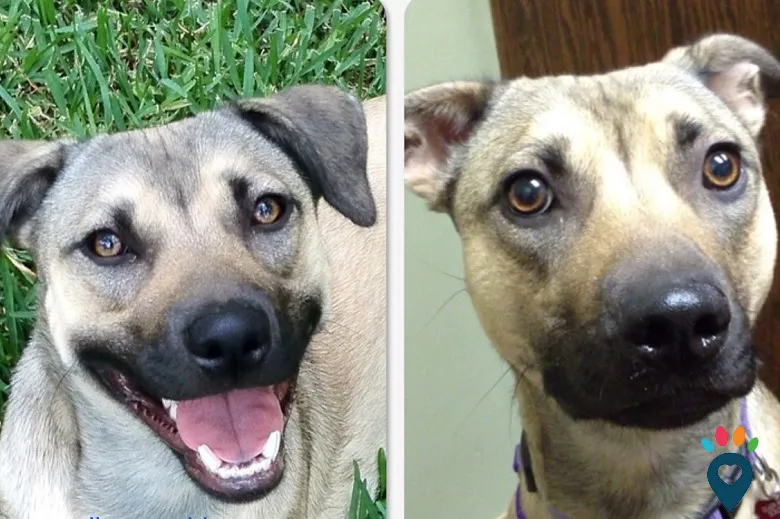
When Socialization Goes Wrong: Reading Stress Signals and Next Steps
The prevailing narrative around dog socialization often presents a straightforward, linear path: expose your puppy or dog to new experiences, and they will grow into a confident, well-adjusted companion. However, the reality is far more nuanced. Socialization can and does go wrong—sometimes subtly, sometimes dramatically—and these negative experiences can have lasting impacts that undermine your dog’s confidence and trust…
Why Socialization Matters
Discover how to gently introduce your dog to new environments and companions, ensuring confident and joyful interactions every step of the way.

Step One: Building Trust
Begin by creating a safe space where your dog feels secure, laying the groundwork for positive social experiences with people and other animals.

Step Two: Controlled Exposure
Gradually introduce your dog to diverse settings and social situations, carefully observing their comfort and encouraging calm behavior.

Step Three: Reinforcement and Growth
Strengthen your dog’s social skills through consistent positive reinforcement, helping them adapt and thrive in various social environments.
Related Articles
Summer Grooming: Keeping
Your Dog Cool with the Right Haircut
Swimming Safety for Dogs:
Introduction, Tips & Gear
Dog-Proofing Your Home:
A Room-by-Room Safety Inspection