
Dog-Proofing Your Home: A Room-by-Room Safety Inspection
When we bring a dog into our home, we welcome a curious explorer with instincts to chew, dig, and investigate everything within reach. Many pet owners focus on puppy-proofing, but the truth is that dogs of all ages face household hazards—from toxic plants to electrical cords and small choking hazards. A comprehensive home safety inspection isn’t a one-time task; it’s an ongoing process that adapts as your dog ages, your home changes, and new risks emerge.
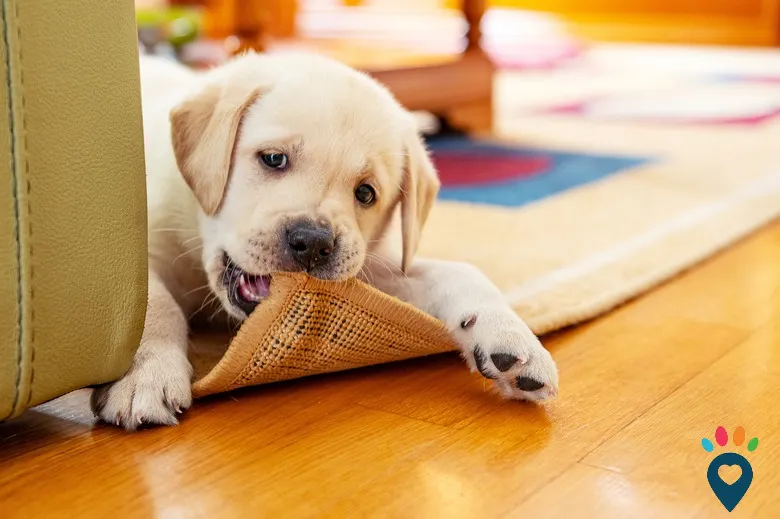
This detailed guide will walk you through every room of your house, transforming you from a reactive pet owner into a proactive safety expert. By viewing your home from your dog’s perspective—literally getting on their level—you can identify and eliminate risks before they lead to an emergency vet visit.
The Core Principles of Canine Home Safety
Before we begin the room-by-room inspection, understand these universal rules:
- Think Like a Dog: Get on your hands and knees. What looks tempting? What can be reached? What smells interesting?
- The “Nothing On The Floor” Rule: A general guideline for new dogs or powerful chewers. If you wouldn’t give it to them as a toy, it shouldn’t be accessible.
- Assume Everything is Edible: Dogs explore the world with their mouths. Assume they will try to chew or swallow any accessible object.
- Secure, Don’t Just Hide: Use positive reinforcement to teach boundaries, but never rely solely on training. Use physical barriers (gates, latches, containers) for true safety.
Room-by-Room Safety Inspection Checklist
1. The Kitchen: A High-Risk Zone of Toxins and Temptations
The kitchen is arguably the most dangerous room for a dog, full of enticing smells and serious hazards.
🟥 Critical Hazards & Solutions:
- Food Toxins: Secure ALL human foods. Remember, it’s not just chocolate and grapes. Xylitol (in sugar-free gum, peanut butter, baked goods) causes acute liver failure. Onions, garlic, macadamia nuts, and raw bread dough are also highly toxic.
- Solution: Install child-proof latches on all lower cabinets, especially the trash cabinet. Use a trash can with a locking lid or store it inside a latched cabinet.
- Cleaning Products: Most household cleaners are corrosive or poisonous.
- Solution: Store all chemicals on high shelves or in securely latched cabinets. Consider switching to pet-safe cleaning brands like Branch Basics or Seventh Generation.
- Small Appliances: Toaster cords, instant pot wires, and blender bases can be chewed or pulled down.
- Solution: Use cord concealers or bitter apple spray on cords. Unplug appliances when not in use. Secure slow cookers and other heavy items away from counter edges.
✅ Pro Tip: Create a “safe zone” in the kitchen with a comfortable bed or mat where your dog is taught to stay during food prep and cleanup. Use a baby gate to block access when you can’t supervise.
2. The Living Room & Common Areas: Choking and Obstruction Dangers
These spaces are where dogs spend most of their time, surrounded by our everyday clutter.
🟥 Critical Hazards & Solutions:
- Electrical Cords & Chargers: A severe electrocution and choking risk.
- Solution: Use heavy-duty cord covers (like those from D-Line) or run cords behind furniture. For a permanent fix, use cable management boxes or tack cords along baseboards.
- Small Objects: Remotes, kids’ toys, pens, hair ties, and socks are common culprits for intestinal blockages.
- Solution: Implement a nightly “floor sweep” routine. Use decorative baskets with lids to store remotes and small items.
- Furniture & Plants: Unstable bookshelves or TV stands can tip. Many common houseplants (pothos, sago palm, lilies, philodendron) are toxic.
- Solution: Anchor tall furniture to the wall. Consult the ASPCA’s toxic plant list and remove or hang toxic plants completely out of reach.
- Fireplace & Heaters: Open flames and hot glass surfaces cause terrible burns.
- Solution: Use a sturdy, secured fireplace screen. Install a safety gate around space heaters or wood stoves.
3. The Bathroom: A Cocktail of Chemicals
Bathrooms concentrate medicines and cleaners in a small space.
🟥 Critical Hazards & Solutions:
- Medications: A single pill of human medication (especially NSAIDs like ibuprofen, antidepressants, or ADHD meds) can be fatal.
- Solution: Store all medicines in a high, closed cabinet. Never leave pill organizers on counters. Be vigilant when guests visit—their luggage may contain accessible medications.
- Toiletries & Cleaners: Mouthwash may contain xylitol. Dental floss can cause intestinal entanglement. Toilet bowl cleaners and automatic cleaner tabs are corrosive.
- Solution: Keep the toilet lid closed with a latch. Store all products behind secured doors. Use a lidded hamper for used floss and razors.
- Small, Slippery Spaces: Tubs and showers are slippery and confusing for dogs.
- Solution: Use a non-slip bath mat. Keep shower doors closed.
4. The Bedroom & Home Office: Surprising Dangers in Quiet Spaces
🟥 Critical Hazards & Solutions:
- Hidden Chewables: Shoes, books, and headphones are expensive chew toys to a dog.
- Solution: Use closed closets and under-bed storage boxes. Provide a basket of approved chew toys in each room.
- Office Supplies: Staples, rubber bands, push pins, and batteries are extremely dangerous if ingested.
- Solution: Use desk drawers with organizers. Keep wastebaskets off the floor or inside a latched cabinet.
- Nicotine & Cannabis Products: Edibles, vape cartridges, and cigarettes are highly toxic. Dogs are attracted to the smell and flavorings.
- Solution: Store these in a locked box or safe, never in a purse or bedside drawer.
5. The Garage & Utility Room: The High-Toxicity Zone
This is often the most hazardous area of the home.
🟥 Critical Hazards & Solutions:
- Antifreeze & Automotive Fluids: Antifreeze (ethylene glycol) has a sweet taste that attracts dogs but is lethally toxic, causing kidney failure. Even a few licks can be fatal.
- Solution: Store all automotive products on high, locked shelves. Clean any spills immediately with cat litter. Consider switching to pet-safe propylene glycol-based antifreeze.
- Pesticides, Fertilizers & Rodent Poisons: These are designed to kill and are equally dangerous to pets.
- Solution: Store in original containers in a locked cabinet. Never use rodent poisons indoors. Explore pet-safe alternatives like diatomaceous earth for pests.
- Tools & Sharp Objects: Keep all tools hung on a pegboard, not accessible on a workbench.
6. The Yard & Outdoor Spaces: The Forgotten Frontier
🟥 Critical Hazards & Solutions:
- Fencing & Boundaries: Check for gaps, loose boards, or holes under fences. Small dogs can squeeze through shockingly small spaces.
- Solution: Bury chicken wire along the fence line or use landscape staples to secure it, preventing escape by digging.
- Toxic Plants & Mulch: Many common yard plants (azaleas, rhododendrons, tulip bulbs) are toxic. Cocoa bean mulch is poisonous and smells like chocolate to dogs.
- Solution: Identify and remove toxic plants. Use pet-safe mulch like cedar or pine.
- Standing Water & Pools: Stagnant water breeds bacteria and parasites. Pools need safe exits.
- Solution: Empty containers that collect water. Ensure your pool has a secured safety cover or a dog-specific pool ramp for easy exit.
The Essential Dog-Proofing Toolkit: What You Need to Buy
- Baby Gates & Playpens: For creating safe zones and blocking off rooms.
- Cabinet & Drawer Latches: Simple adhesive ones work for most cabinets.
- Cord Concealers & Cable Boxes: For managing wires from TVs and computers.
- Bitter Apple Spray or Yuck Spray: A taste deterrent for baseboards or furniture legs (test on a small area first).
- Heavy-Duty, Locking Trash Cans: For kitchen and bathroom.
- Furniture Anchors: To prevent tip-overs.
- A Variety of Approved Chew Toys: The best defense is providing an attractive alternative.
Final Walkthrough: The “Pre-Puppy” Inspection
Before bringing a new dog home, or quarterly for current pets, conduct this final sweep:
- Get on the floor in each room and look around.
- Check for small objects, loose wires, and accessible trash.
- Verify all latches and gates are secure.
- Ensure your dog’s microchip info is updated and an emergency vet number is posted on the fridge. Keep a pet first-aid kit accessible.
- Practice the “Drop It” and “Leave It” commands diligently—these are your ultimate safety net.
Conclusion: Safety as an Act of Love
Dog-proofing is not about creating a sterile environment, but about creating a safe space for curiosity and companionship to flourish. By systematically addressing each room’s unique risks, you do more than prevent accidents—you build a foundation of trust. Your dog learns what is theirs to explore, and you gain peace of mind.
Remember, the most important tool in dog-proofing is supervision. No amount of preparation replaces attentive eyes. Combine your secure environment with consistent training and a loving watch, and you’ll create a home where both your family and your furry member can thrive safely for years to come.
Disclaimer: This guide provides comprehensive general advice but cannot account for every unique dog or home. Always consult with your veterinarian for specific concerns, especially regarding toxins. The author is not liable for any accidents or injuries.