
Understanding Dog Body Language: From Tail to Ears – A Complete Guide
Have you ever wondered what your dog is thinking? While they can’t speak, dogs are constantly communicating with us through their body language. Understanding these signals can not only deepen your bond with your pet but also help prevent potential behavioral issues or dangerous situations. This comprehensive guide will decode your dog’s body language, from the most visible tail to the most sensitive ears.
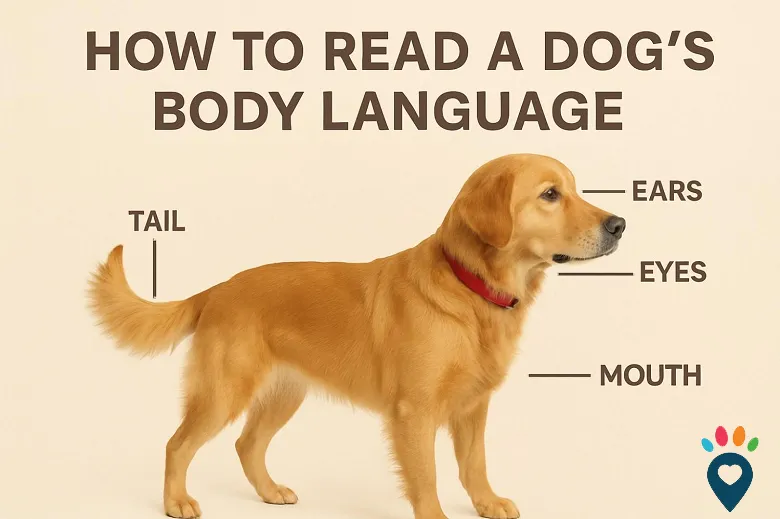
1. The Tail: More Than Just a Happy Wag
Many believe a wagging tail means a happy dog, but the reality is far more nuanced.
High, Fast Wagging: Usually indicates excitement and anticipation, like when you come home. However, if accompanied by a stiff body and direct stare, it can signal alertness or even a challenge.
Medium-Height, Relaxed Wagging: A sign of a relaxed state, typically showing friendliness and comfort.
Low, Slow Wagging: May indicate uncertainty, submission, or mild anxiety.
Tail Tucked Between Legs: A clear signal of fear, submission, or significant anxiety.
Tail Raised High and Stiff: This signals alertness, increased dominance, or potential aggression, especially if the fur is raised.
Important Note: Tail position should always be compared to the breed’s baseline. For instance, a Basenji’s tail naturally curls tightly over its back, while a Greyhound’s hangs low.
2. The Ears: Sensitive Mood Indicators
A dog’s ear position conveys a wealth of emotional information.
Neutral and Relaxed: Varies by breed, indicating calmness and contentment.
Pricked Forward: Shows focused attention, curiosity, or alertness. Your dog may have heard an interesting sound or spotted something new.
Pinned Back or Flattened: Often signals fear, anxiety, or submission. In some contexts, like during play, it might simply indicate excitement.
One Forward, One Back: A sign of conflicting emotions—the dog might be both curious and cautious.
3. The Eyes: Windows to the Canine Soul
A dog’s gaze reveals its internal state.
Direct Stare: In the canine world, a prolonged direct stare is often a challenge or threat. Well-trained dogs may make brief eye contact with owners, but a direct stare from an unfamiliar dog should be approached with caution.
Avoiding Eye Contact: Indicates submission or conflict avoidance.
“Whale Eye” (showing the whites of the eyes): When a dog turns its head away but keeps its eyes fixed on something, it often signals stress, anxiety, or potential aggression.
Blinking and Squinting: Slow blinking usually indicates relaxation, while rapid squinting may signal nervousness or physical discomfort.
4. Mouth and Facial Expressions
Relaxed, Slightly Open Mouth: Similar to a human smile, often a sign of a relaxed and content dog.
Yawning: Not always a sign of tiredness; it can indicate stress, nervousness, or an attempt to calm itself.
Licking Lips or Air: Often signals stress, discomfort, or anticipation of food. Without an obvious stressor, it might just be cleaning its muzzle.
Showing Teeth: Doesn’t always mean aggression. It could be a “defensive snarl” (when fearful) or an “offensive snarl” (as a warning). The key difference lies in facial muscle tension and whether it’s accompanied by growling.
5. Body Posture and Overall Demeanor
Relaxed Stance: Weight evenly distributed, natural posture, muscles relaxed.
Play Bow: Front legs lowered, hindquarters raised, tail wagging—a classic “let’s play” invitation.
Stiff Body: May indicate high alertness, tension, or an imminent reaction (which could be fight or flight).
Lowered Body: A sign of fear or submission, an attempt to appear smaller and less threatening.
Weight Shifted Backward: Often indicates hesitation, fear, or preparation to retreat.
Raised Hackles: Fur standing up from the neck to the tail (piloerection) signals arousal, fear, or aggression—the dog is trying to look larger.
6. Putting It All Together: Understanding the Whole Picture
The key to interpreting canine body language is observing the whole picture, not isolated signals. For example:
- A Happy Dog: Loose, wiggly body; relaxed ears; slightly open mouth; may make playful noises; invites interaction.
- A Fearful Dog: Lowered body; tucked tail; ears back; may yawn or lick lips; avoids eye contact; may try to escape.
- An Alert Dog: Body leaning forward; ears pricked forward; tail stiff and high; direct stare; may growl.
- A Dog with Aggressive Intent: Stiff, forward-leaning body; raised hackles; bared teeth; growling; intense direct stare.
7. Breed Differences and Individual Personalities
Different breeds may have unique body language traits. For example, many terriers naturally carry their tails high, while brachycephalic breeds (like Bulldogs) may have less expressive facial features. The most important thing is to learn your own dog’s “baseline” behavior so you can accurately recognize deviations.
8. Practical Tips for Human Interaction
- When Meeting an Unfamiliar Dog: Avoid direct eye contact, stand sideways (appears less threatening), and let the dog approach you first.
- Recognize Stress Signals: If you notice frequent yawning, lip licking, or avoidance of eye contact, it might be time to remove your dog from a stressful situation.
- Respect Canine Boundaries: When a dog gives clear “please give me space” signals (like turning away, licking lips, yawning), respect this communication.
- Educate Children: Teaching kids basic dog body language, especially fear and stress signals, can help prevent bites.
9. When Body Language Changes
Sudden changes in your dog’s body language, especially when accompanied by behavioral shifts, can indicate health issues. For example, sudden irritability or withdrawal may signal pain. In such cases, consulting a veterinarian is always wise.
Conclusion
Understanding dog body language is an ongoing learning process that can profoundly enrich your relationship with your four-legged friend. By carefully observing signals from tail to ears and understanding how they combine to form complete emotional expressions, you’ll gain deeper insight into your dog’s mind. This fosters stronger trust, and ensures safer, more enjoyable interactions. Remember, every dog is a unique individual. Taking the time to learn your own companion’s specific ways of communicating is a key part of being a responsible and compassionate pet owner.
For Further Learning: Consider attending a local dog behavior workshop, reading books by reputable animal behaviorists, or consulting a certified professional dog trainer to deepen your understanding of canine communication.
Disclaimer: This article is intended for general guidance and does not replace advice from a professional dog trainer or veterinarian. If you have serious concerns about your dog’s behavior, please consult a qualified professional.