De-Shedding Tools That Actually Work: A Review for Heavy Shedders
If you share your home with a heavy shedder, you know the reality: tumbleweeds of fur rolling across the floor, a permanent layer of hair on your clothes, and the constant battle to stay ahead of the fluff. For breeds like German Shepherds, Huskies, Golden Retrievers, and Labrador Retrievers, shedding isn’t a seasonal event—it’s a lifestyle. The wrong brush is a frustrating waste of time, while the right tool can transform your grooming routine from a losing battle into a manageable, satisfying task
This in-depth guide cuts through the marketing hype to review the most effective de-shedding tools on the market. We’ll explain the science of shedding, compare tool types by coat need, and provide a clear verdict on what truly works for serious shedders.
Understanding the “Why”: The Science of Canine Shedding
Dogs shed to remove old, damaged hair and regulate body temperature. Heavy shedders typically have a dense undercoat—a soft, wooly layer of hair that grows in clumps. This undercoat sheds prolifically, especially during seasonal changes in spring and fall (“blowing coat”). The goal of a de-shedding tool is not to stop shedding (which is impossible), but to pull out this loose undercoat before it detaches and lands on your furniture.
An effective tool must reach through the topcoat, gently grab the loose undercoat without damaging the skin or healthy guard hairs, and efficiently collect the fur for easy disposal.
Toolbox Breakdown: Reviewing the 5 Major Types of De-Shedders
We’ve tested and categorized the leading tools based on mechanism, ideal coat type, and real-world performance.
1. The Undercoat Rake
- How It Works: Features long, rounded teeth spaced to penetrate the topcoat and pull out tufts of loose undercoat.
- Best For: Dogs with long, dense double coats (Siberian Huskies, Alaskan Malamutes, Collies, Newfoundlands).
- Top Contender: Safari Undercoat Rake
- Pros: Simple, durable, no moving parts. Excellent for breaking up and removing large mats of undercoat. Very affordable.
- Cons: Can be less efficient on shorter double coats. Requires a bit more technique to avoid scratching.
- Verdict: A must-have staple for long-haired double-coated breeds. It’s the workhorse for initial de-matting and major shedding seasons.
2. The De-Shedding Blade (Shedding Blade)
- How It Works: A flexible, curved metal blade with short, dull teeth. It’s pulled along the coat to scoop up loose undercoat and topcoat hair.
- Best For: Short-haired double-coated breeds (Labs, German Shepherds, Pit Bulls) and horses.
- Top Contender: Oster Shedding Blade
- Pros: Incredibly efficient at removing massive amounts of hair quickly. Simple, easy to clean, and inexpensive.
- Cons: Can look intimidating to the dog. Must be used with very gentle pressure to avoid skin irritation. Less effective on long hair.
- Verdict: Shockingly effective for short coats. It’s a classic for a reason and can out-perform fancy gadgets for basic, heavy shedding on short fur.
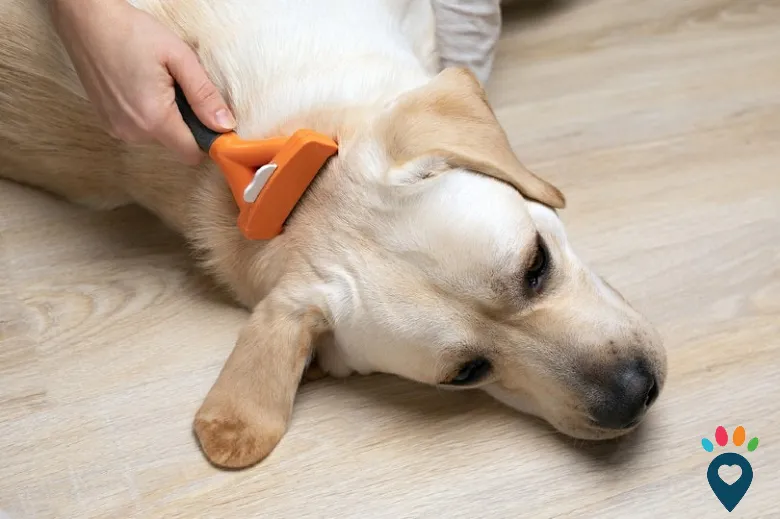
3. The “FURminator-style” De-Shedding Tool
- How It Works: Features a stainless steel edge with fine teeth and a push-button release to clean the tool. It’s designed to reach the undercoat and slice through loose hair.
- Best For: Medium to short double coats (Golden Retrievers, Shepherds, Akitas). Use with caution on single coats or breeds with no undercoat.
- Top Contender: FURminator deShedding Tool (Original)
- Pros: Unmatched at removing fine undercoat. The ergonomic handle and ejector button make grooming clean and efficient. Results are visibly dramatic.
- Cons: The most common misused tool. Overuse or excessive pressure can damage the topcoat and irritate skin. Expensive. Not suitable for all coat types.
- Verdict: A powerful, professional-grade tool when used correctly (limit to 1-2 times per week, follow the grain of the hair). Not a gentle everyday brush.
4. The High-Velocity Dryer
- How It Works: A powerful dryer (not a human hair dryer) that uses concentrated air to blast water and, crucially, blow out the entire loose undercoat from a clean, dry or damp coat.
- Best For: ALL heavy shedders, especially as part of a post-bath routine. A game-changer for serious groomers.
- Top Contender: Shelandy 3.2HP Pet Dryer (Professional Grade)
- Pros: The single most effective method for coat “blow-out.” Reduces shedding by up to 80% for weeks. Also dries the dog quickly and prevents hot-spots.
- Cons: Expensive initial investment. Loud, which can scare some dogs. Requires training and acclimation.
- Verdict: The professional secret weapon. If you have multiple heavy shedders or show dogs, this is worth the investment. For most owners, a trip to a groomer with a HV dryer during shedding season is a worthy alternative.
5. The Grooming Glove & Rubber Curry
- How It Works: Uses rubber nubs or tips to massage the skin and grab loose hair via static and friction.
- Best For: Dogs who hate brushes, short-haired single coats (Boxers, Dobermans), and as a finishing tool for double coats. Excellent for in-between maintenance.
- Top Contender: Hertzko Rubber Shedding & Petting Glove
- Pros: Feels like a petting session to the dog, reducing stress. Great for cats too. Easy to use and clean (rinse under water). Very affordable.
- Cons: Holds less hair than other tools, requiring frequent cleaning during a session. Not deep enough for a serious undercoat blow-out.
- Verdict: The perfect introductory or supplementary tool. Ideal for daily light grooming, bonding, and pets who are brush-averse.
The Professional Groomer’s Regimen for Peak Shedding Season
For the ultimate de-shedding results, tools are used in a specific sequence:
- The Bath: Use a de-shedding shampoo and conditioner to loosen the undercoat.
- The Blow-Out: While the dog is still in the tub, use the high-velocity dryer on a damp coat to blast out massive amounts of loose hair. (Perform this step outdoors or in a dedicated wash area).
- The Detail Work: Once completely dry, go over the coat with an undercoat rake or FURminator-style tool to remove any remaining loose undercoat.
- The Finish: Use a slicker brush or comb to ensure no tangles and distribute natural oils.
Critical Mistakes to Avoid
- Using a FURminator on the Wrong Coat: Never use it on breeds with no undercoat (Poodles, Yorkies, Maltese) or on very short, single coats. It will cut and damage the hair.
- Over-Brushing: De-shedding sessions should be limited to 1-2 times per week during heavy shed. Daily brushing with a slicker or pin brush is fine for maintenance.
- Brushing a Dirty or Dry Coat: For best results, brush after a bath when the coat is clean and loose hair is easier to remove. A spritz of conditioning spray can also help.
- Neglecting Diet & Hydration: A dog’s skin and coat health starts from within. Ensure a high-quality diet rich in Omega-3 and Omega-6 fatty acids and always provide fresh water.
Final Verdict & Recommendations by Scenario
- For the Long-Haired Husky Owner: Safari Undercoat Rake (primary) + High-Velocity Dryer (at groomer or home) + Slicker Brush (for finishing).
- For the Lab or German Shepherd Household: Oster Shedding Blade (for quick, heavy removal) + FURminator (for detailed weekly sessions) + Grooming Glove (for daily petting/clean-up).
- For the Anxious Shedder: Hertzko Grooming Glove (to build positive association) + a gentle Undercoat Rake. Prioritize calm, short sessions.
- For the All-In-One Solution Seeker: Invest in a professional-grade High-Velocity Dryer and learn to use it safely. It’s the closest thing to a magic bullet.
Conclusion: Embrace the Fluff with the Right Arsenal
Living with a heavy shedder requires a shift in mindset—from fighting fur to managing it proactively. There is no single tool that eliminates shedding, but by understanding your dog’s specific coat type and investing in the right combination of tools, you can reduce loose hair in your home by 80-90%.
The true key is consistency. A regular 10-minute grooming session is far more effective than a monthly marathon. By choosing effective tools and integrating grooming into your routine, you’ll not only keep your home cleaner but also promote healthier skin, a shinier coat, and a stronger bond with your furry friend. The battle against shed is real, but with this arsenal, it’s one you can absolutely win.
Disclaimer: The tools and methods reviewed in this article are presented for informational purposes based on general product performance and user experiences. Individual results may vary significantly depending on your dog’s specific coat type, thickness, health, and grooming routine. Always consult your veterinarian or a professional groomer before using any new grooming tool, especially if your dog has sensitive skin, existing skin conditions, or a matted coat, as improper use can cause discomfort or injury. The author and publisher do not endorse specific brands and are not responsible for any adverse effects, damage, or injury resulting from the use of the products mentioned. This information is not a substitute for professional veterinary or grooming advice.