
Creating a Daily Routine: Feeding, Walking, Play & Sleep Schedule
Dogs are creatures of habit who thrive on consistency. In a world filled with unpredictable human schedules, a structured daily routine provides your dog with the security, mental balance, and physical wellbeing they instinctively crave. Far from being restrictive, a thoughtfully designed routine actually creates freedom—freedom from anxiety, behavioral issues, and the stress of uncertainty.
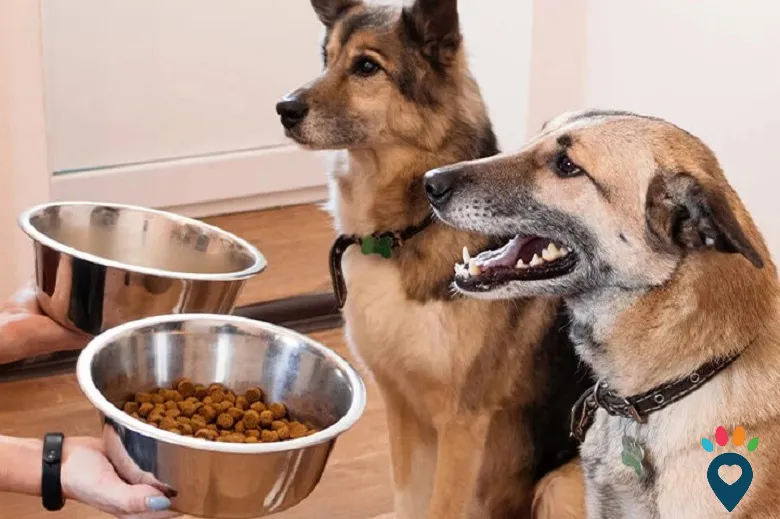
This comprehensive guide moves beyond generic schedules to help you build a customized daily rhythm that aligns with your lifestyle while meeting your dog’s biological and psychological needs. We’ll cover the science behind canine routines and provide actionable templates for various lifestyles, ensuring your dog experiences the perfect balance of activity, nourishment, and rest every single day.
Section 1: Understanding Your Dog’s Biological Clock
The Canine Circadian Rhythm
Dogs operate on natural cycles that influence their energy, digestion, and sleep patterns. Understanding these helps you work with—not against—their innate biology:
Natural Energy Peaks:
- Morning (6-9 AM): Highest energy after overnight rest
- Late Afternoon (4-7 PM): Secondary energy peak
- Evening (8-10 PM): Often a “witching hour” of restlessness
Digestive Patterns:
- Stomach empties in 4-6 hours
- Consistent feeding times regulate metabolism and prevent begging
- Post-meal rest is crucial for digestion (especially in deep-chested breeds)
Sleep Requirements:
- Adult dogs: 12-14 hours daily
- Puppies/seniors: 18-20 hours daily
- Dogs are polyphasic sleepers (multiple naps vs. one long sleep)
Individual Factors That Customize Your Routine:
- Breed: Working breeds need more activity; companion breeds need more engagement
- Age: Puppies need frequent naps/short play; seniors need gentle activity/longer rest
- Health: Medical conditions may require specific timing for meals/medication
- Temperament: High-anxiety dogs need more predictability; confident dogs handle flexibility better
Section 2: The Core Components of a Balanced Daily Routine
1. Feeding Schedule: More Than Just Mealtimes
Timing Considerations:
- Two meals minimum for adults (morning/evening)
- Puppies: 3-4 meals until 6 months
- Seniors: May need smaller, more frequent meals
- Post-meal protocol: 30-60 minutes of quiet time to prevent bloat
Rituals Around Feeding:
- Use consistent verbal cues (“Breakfast time!”)
- Practice simple obedience before meals (sits, waits)
- Feed in same location using same bowls
- Measure portions precisely (no free-feeding)
Sample Feeding Framework:
- 7:00 AM: Morning meal (after morning walk/elimination)
- 12:00 PM: Training treats or food puzzle (small portion)
- 6:00 PM: Evening meal
- *Adjust based on your schedule, keeping 8-12 hours between main meals*
2. The Walking Schedule: Quality Over Quantity
The Three Types of Walks Every Dog Needs:
1. The Elimination Walk (5-15 minutes)
- First thing morning, last thing night
- Business-focused but with sniffing allowed
- Consistent route/location helps trigger elimination
2. The Exercise Walk (20-45 minutes)
- Once or twice daily depending on breed/age
- Varied routes and paces
- Incorporate training elements (recalls, loose leash walking)
- Time based on weather (cooler parts of day in summer)
3. The Enrichment/Sniff Walk (15-30 minutes)
- Allow maximum sniffing, exploring
- Use long line in safe areas for more freedom
- Mental stimulation > physical exercise
Walking Schedule Template:
- 6:30 AM: Elimination walk
- 9:00 AM: Exercise/enrichment walk
- 4:00 PM: Secondary exercise walk
- 10:00 PM: Final elimination walk
3. Play & Engagement Sessions: Mental Exercise Matters
Scheduled Play Types:
- Interactive play (10-15 minutes): Fetch, tug (with rules)
- Training sessions (5-10 minutes, 2-3x daily): Short, positive skill-building
- Independent play (variable): Food puzzles, chew toys, snuffle mats
- Social play (as appropriate): With other known dogs
The Importance of “Off-Switch” Training:
Teach your dog to transition from activity to calm:
- Use clear endings to play (“All done!”)
- Follow excitement with calming activities (chewing, licking)
- Reward settled behavior spontaneously
4. Sleep & Rest Periods: The Underrated Essential
Creating Rest Opportunities:
- Enforced nap times for puppies/overstimulated dogs
- Designated rest areas (crate, bed, mat) in quiet locations
- Respecting sleep—don’t interrupt when they’re settled
- Wind-down routine before bedtime
Signs Your Dog Needs More Rest:
- Hyperactivity or “zoomies”
- Inability to settle
- Increased irritability or sensitivity
- Destructive behaviors when alone
Section 3: Sample Daily Schedules for Different Lifestyles
Template A: The Working Professional (8-5 Schedule)
6:00 AM: Wake up, quick cuddle/petting
6:15 AM: Morning elimination walk
6:45 AM: Breakfast followed by quiet time
7:30 AM: 15-minute play/training session
8:00 AM: Food puzzle/Kong for alone time
12:00 PM: Dog walker or neighbor: 30-minute walk/play
3:00 PM: Another food puzzle/chew (automated dispenser)
6:00 PM: You return—evening exercise walk
6:45 PM: Dinner
7:30 PM: Interactive play/training session
8:30 PM: Wind-down with chew toy/snuggle
10:00 PM: Final elimination walk
10:30 PM: Bedtime in crate/sleeping area
Template B: The Work-from-Home Professional
7:00 AM: Wake up, elimination walk
7:30 AM: Breakfast
8:00 AM: Settled while you start work
10:00 AM: Mid-morning potty break + short play
12:30 PM: Lunchtime walk (20-30 minutes)
2:00 PM: Enforced nap/quiet time
4:00 PM: Afternoon training session (5-10 minutes)
5:30 PM: Dinner
7:00 PM: Evening family walk/play
8:30 PM: Calming activity (lick mat, gentle grooming)
10:00 PM: Final bathroom break
10:15 PM: Bedtime routine
Template C: The Family with Children
6:30 AM: Wake up with family, morning walk
7:15 AM: Breakfast
8:00 AM: Kids leave—quiet time with chews/puzzle
10:00 AM: Training session with one family member
12:00 PM: Lunchtime play with kids (structured)
1:00 PM: Enforced nap away from activity
3:30 PM: After-school walk with family
5:00 PM: Dinner
6:00 PM: Family playtime (everyone participates)
7:30 PM: Calm down with chew while kids do homework
9:00 PM: Last walk with one adult
9:30 PM: Bedtime in sleeping area
Template D: The Retiree/Stay-at-Home
7:30 AM: Leisurely morning walk
8:15 AM: Breakfast
9:00 AM: Errands together (dog-friendly stores)
11:00 AM: Training/skill practice
12:30 PM: Lunch followed by quiet time
2:30 PM: Afternoon enrichment activity
4:00 PM: Social walk (meeting neighbor dogs)
5:30 PM: Dinner
7:00 PM: Evening relaxation together
9:00 PM: Final bathroom break
9:30 PM: Bedtime
Section 4: Implementing Your Routine Successfully
The 3-Week Adjustment Period
Week 1: Focus on consistency in timing, not perfection
Week 2: Refine based on your dog’s natural rhythms
Week 3: Adjust for any challenges; routine should feel natural
Troubleshooting Common Issues
Problem: Dog anticipates activities and becomes anxious
Solution: Vary the exact timing by ±15 minutes; use calm transitions
Problem: Routine feels too rigid for your lifestyle
Solution: Identify “anchor points” (meals, bedtime) that stay consistent; allow flexibility between
Problem: Multiple caregivers with different schedules
Solution: Create shared digital calendar; use visual schedule in home
Problem: Your dog resists certain scheduled activities
Solution: Make activities more rewarding; ensure they’re appropriately tired/rested beforehand
Using Visual Cues and Transitions
- Specific leashes for different walk types
- Verbal cues for activity transitions (“All done play, now chew time”)
- Environmental cues (light dimming for bedtime, specific music for alone time)
- Pre-activity rituals (harness means walk, food puzzle means quiet time)
Section 5: Special Considerations
Puppy Schedule (8-16 weeks)
- Hourly potty breaks while awake
- 1 hour awake, 2 hours napping cycle
- 4 meals daily at consistent times
- Short, frequent training/play sessions
- Early bedtime (7-8 PM) with overnight potty break
Senior Dog Schedule (7+ years)
- More frequent, shorter walks
- Additional potty opportunities
- Longer rest periods between activities
- Possible medication schedule
- Softer feeding schedule (smaller, more frequent meals)
Working/High-Energy Breeds
- More intense exercise requirements
- Job assignments within routine (carrying backpack, specific tasks)
- Mandatory “off” times (they won’t self-regulate)
- Multiple training sessions for mental exhaustion
Anxious/Reactive Dogs
- Higher predictability needed
- Buffer time before/after stressful activities
- Visual barriers during rest times
- Clear signals for what’s happening next
Section 6: The Benefits You’ll See
Within 1 Week:
- Reduced anxiety during transitions
- Fewer accidents in house
- Improved meal time behavior
Within 1 Month:
- Better sleep patterns (yours and theirs)
- Reduced destructive behaviors
- Improved training focus
- More reliable elimination schedule
Within 3 Months:
- Natural self-regulation of energy
- Stronger bond through predictable interactions
- Easier to notice health changes (appetite, energy shifts)
- Simplified care for pet sitters/walkers
Conclusion: Routine as Relationship-Building
A well-crafted daily routine is ultimately an expression of care—a way of saying “Your needs matter, and I’ve created a world where you can reliably have them met.” It’s not about military precision, but about thoughtful rhythm that respects both your dog’s nature and your human reality.
The most successful routines are living systems that adapt as your dog ages, as seasons change, and as your life evolves. Regular check-ins (monthly reassessments) ensure the routine continues to serve rather than constrain.
Remember that occasional deviations are healthy—they teach flexibility. A spontaneous weekend hike or a late-night family movie with your dog nestled beside you reinforces that routine provides security but doesn’t preclude joy.
Start with one consistent element—perhaps feeding time or morning walk—and build from there. Within weeks, you’ll notice a calmer, more confident companion who understands their place in your shared world. That security is the ultimate gift of a thoughtful daily routine, creating the foundation for a lifetime of mutual understanding and ease.
Your consistency today builds your dog’s confidence for all their tomorrows.
Disclaimer: This guide provides general recommendations for creating canine daily routines. Individual dogs have unique needs based on breed, age, health status, and temperament. Always consult your veterinarian regarding feeding schedules, exercise requirements, and sleep needs specific to your dog. The author and publisher assume no liability for issues arising from implementation of these suggestions. Adjust any routine to accommodate your dog’s specific health requirements and consult professionals for dogs with medical or behavioral concerns.