
Choosing the Right Shampoo: Solutions for Itchy Skin, Smell & More
Walking down the pet care aisle can be overwhelming—dozens of shampoos promising miracles for your dog’s coat, each with different ingredients and purposes. Choosing the wrong shampoo isn’t just a waste of money; it can exacerbate skin issues, strip natural oils, and leave your dog uncomfortable. With over 25% of dogs experiencing skin conditions and allergies being a leading cause of veterinary visits, selecting the correct shampoo is a critical component of preventative care.
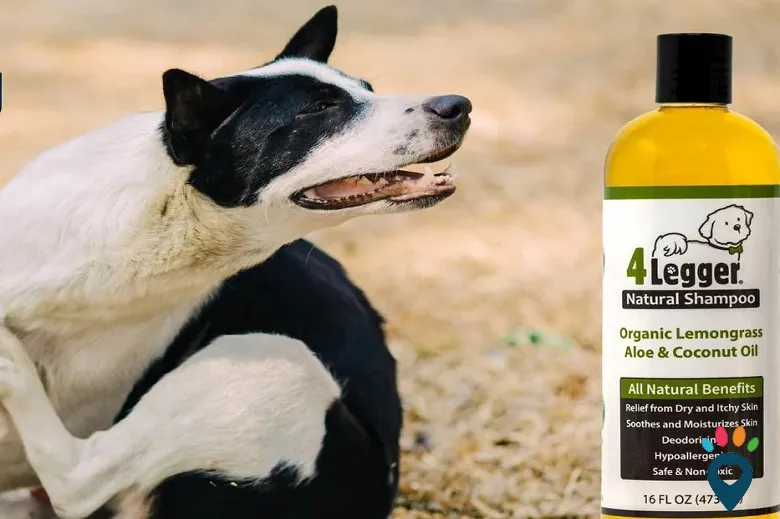
This comprehensive guide cuts through the marketing hype. We’ll explore the science behind canine skin, break down shampoo ingredients to seek and avoid, and provide a clear decision-making framework to solve your dog’s specific needs—from relentless itching to stubborn “doggy odor.”
Understanding Your Dog’s Skin: The Foundation of Choice
Canine skin is more sensitive than human skin, with a different pH balance (typically between 6.2 and 7.5, compared to our more acidic 5.5). Using human or harsh alkaline products disrupts this acid mantle—the protective barrier that keeps moisture in and pathogens out. This disruption leads to dryness, irritation, and vulnerability to infections.
The Five Main Shampoo Categories
Most dog shampoos are formulated to address one of five primary concerns:
- General Maintenance & Cleaning
- Sensitive & Itchy Skin Relief
- Deodorizing & Odor Control
- Medicated & Therapeutic
- Cosmetic & Enhancing (Whitening, Conditioning)
The Ingredient Decoder: What’s Really in the Bottle?
Learning to read the label is your most powerful tool.
Ingredients to PRIORITIZE (The Good)
- Oatmeal (Colloidal Oatmeal): A natural anti-inflammatory and soothing agent. Excellent for mild itching and dryness. Forms a protective film on the skin.
- Aloe Vera: Soothes, moisturizes, and has mild antibacterial properties. Look for it high on the ingredient list.
- Coconut Oil Derivatives: Gentle cleansers that add moisture. Lauric acid in coconut oil has antimicrobial benefits.
- Essential Fatty Acids (Omega-3 & -6): Often from plant oils (like safflower or flaxseed), they help nourish the skin barrier.
- Natural Moisturizers: Glycerin, honey, shea butter, and chamomile help hydrate and calm skin.
- pH-Balanced Formulation: This is non-negotiable. The label should explicitly state it’s pH-balanced for dogs.
Ingredients to be CAUTIOUS of (The Questionable)
- Artificial Fragrances & Dyes: These are common irritants. “Fragrance” can mask hundreds of chemicals. Opt for naturally derived scents or fragrance-free.
- Harsh Sulfates (SLS/SLES): Sodium Lauryl/Laureth Sulfate creates a rich lather but can be extremely drying and irritating to sensitive skin. Gentler alternatives include decyl glucoside or coco-glucoside.
- Parabens & Formaldehyde-Releasing Preservatives: Used to extend shelf life but linked to skin irritation and broader health concerns.
- Alcohol (Isopropyl): Can be very drying and sting broken skin.
The Decision Matrix: Matching the Shampoo to Your Dog’s Need
Use this flowchart to guide your selection:
Start: Identify your dog’s PRIMARY concern.
Scenario 1: “My dog is constantly itchy, scratching, or has flaky skin.”
- Likely Issues: Allergies (environmental/food), dry skin, contact dermatitis.
- Best Shampoo Type: Soothing & Hypoallergenic.
- Key Ingredients to Look For: Colloidal oatmeal, aloe vera, pramoxine or lidocaine (for itch relief), ceramides (to repair skin barrier), chamomile.
- Formula Tip: Creamy, low-lather formulas are often gentler. Avoid heavy fragrances.
- Pro Advice: If itching is severe or persistent, see your vet first to rule out infections (yeast/bacterial) or parasites, which require a medicated shampoo.
Scenario 2: “My dog smells… like a dog. No matter what.”
- Likely Issues: Natural oil buildup, bacteria/yeast on the skin or coat, “wet dog” smell.
- Best Shampoo Type: Deodorizing & Clarifying.
- Key Ingredients to Look For: Natural deodorizers like baking soda, citrus extracts, or activated charcoal. Antibacterial agents like tea tree oil (in very dilute, dog-safe formulations), chlorhexidine, or ketoconazole (for yeast).
- Formula Tip: Seek a shampoo designed to neutralize odor, not just mask it with perfume. A double wash (first with clarifying, second with conditioning) can be effective.
- Pro Advice: Persistent foul odor, especially if sweet or musty, can signal a skin or ear infection, anal gland issues, or dental disease. Consult your vet.
Scenario 3: “My dog has a specific skin condition diagnosed by the vet.”
- Likely Issues: Bacterial pyoderma, yeast overgrowth (Malassezia), seborrhea, parasites.
- Best Shampoo Type: Medicated/Therapeutic (Use under veterinary guidance).
- Common Active Ingredients:
- Chlorhexidine: Broad-spectrum antibacterial/antifungal.
- Ketoconazole/Miconazole: Antifungal for yeast.
- Benzoyl Peroxide: Penetrates hair follicles; antibacterial and helps flush debris.
- Salicylic Acid & Sulfur: Help break down excess oils and scale; keratolytic.
- Formula Tip: These shampoos often need to sit on the skin for 5-10 minutes to be effective. Follow your vet’s instructions precisely.
Scenario 4: “I want to enhance my dog’s coat color or manage a specific coat type.”
- Likely Goal: Brightening white coats, enriching dark coats, adding volume, or detangling.
- Best Shampoo Type: Color-Enhancing or Coat-Specific.
- Key Ingredients: Optical brighteners (for white coats), blue or violet tint (neutralizes yellowing), natural pigments (e.g., henna for red tones), and rich conditioners like panthenol or silk proteins.
- Formula Tip: Follow with the matching conditioner for best results. Use only as needed, not every bath.
Application Protocol: How to Wash for Maximum Benefit
Even the best shampoo won’t work if used incorrectly.
- Brush First: Always remove loose hair and mats.
- Dilute When Possible: For most shampoos (except concentrated medicated ones), dilute 1:3 or 1:5 with water in a separate bottle. This ensures even distribution and easier rinsing.
- Massage & Soak: Work the lather down to the skin. For therapeutic shampoos, allow the recommended contact time (5-15 mins).
- Rinse, Rinse, Rinse: Residue is the enemy of skin health. Rinse until the water runs absolutely clear.
- Follow-Up: For dry/itchy skin, a leave-in conditioner or spray containing ceramides or oatmeal can extend relief between baths.
Special Considerations & When to See the Vet
- Puppies: Use only shampoos labeled as safe for puppies, which are extra gentle.
- Frequency: Over-bathing (even with good shampoo) can cause problems. Most dogs need a bath every 4-6 weeks. Breeds with oily coats (like Basset Hounds) may need it every 2-3 weeks, while those with dry skin may need longer intervals.
- Red Flags: If your dog’s skin shows signs of redness, hot spots, open sores, significant hair loss, or extreme discomfort, stop using the shampoo and seek veterinary care. This indicates a problem that requires diagnosis and prescription treatment.
Conclusion: An Investment in Health, Not Just Cleanliness
Choosing the right shampoo is a direct investment in your dog’s comfort and well-being. By understanding their unique skin needs, reading labels with a critical eye, and applying products correctly, you transform bath time from a simple cleaning into an act of therapeutic care. Start by identifying your dog’s single biggest coat or skin challenge, use our matrix to narrow your options, and perform a patch test with any new product. Your dog’s shiny coat, calmer demeanor, and that satisfying, fresh, clean-dog smell will be your reward.l dog bath.e surprised at the powerful impact of a well-designed exercise routine.
Disclaimer: This article provides general information and recommendations about canine shampoos for educational purposes only. It is not intended as veterinary medical advice, diagnosis, or treatment. Always consult your veterinarian before using any new grooming product on your pet, especially if your dog has known skin conditions, allergies, open wounds, or is under medical treatment. Your veterinarian can provide a diagnosis and recommend the most appropriate, safe products tailored to your dog’s specific health needs. The author and publisher are not responsible for any adverse reactions or health issues that may result from the use of products mentioned or recommended in this article. You are solely responsible for the care and treatment of your pet.