Brushing 101: How Often and Best Tools for Your Dog’s Coat Type
Brushing your dog is far more than a cosmetic ritual—it’s a cornerstone of their health, comfort, and your bond. Regular brushing removes dirt, spreads natural skin oils, prevents painful mats, and drastically reduces shedding around your home. Yet with over 100 recognized dog breeds and countless mixed coats, there’s no one-size-fits-all answer to the questions: “How often should I brush?” and “What brush should I use?”
Using the wrong brush or schedule can be ineffective or even harmful, leading to skin irritation, a damaged coat, or a stressed pet. This definitive guide demystifies canine coat care, providing a clear, science-backed framework to create a personalized brushing routine that keeps your dog healthy, comfortable, and looking their best.
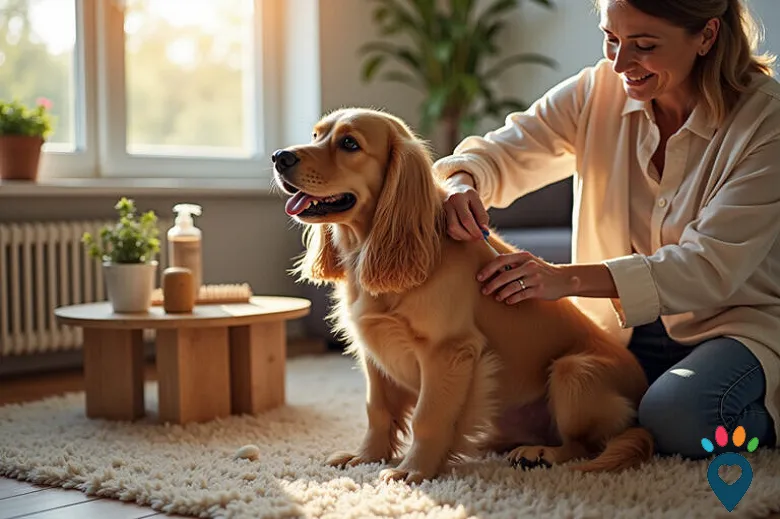
Understanding the Core Functions of Brushing
Before selecting tools, understand what brushing achieves:
- Skin & Coat Health: Stimulates blood circulation and distributes sebum (natural oils) from skin to hair tips.
- Mat & Tangle Prevention: Regularly removes loose hair before it can knot with growing hairs.
- Shedding Management: Captures the undercoat before it becomes airborne decor.
- Bonding & Monitoring: Builds trust and allows you to check for parasites, lumps, or skin issues.
- Cleanliness: Removes environmental debris like dirt, pollen, and twigs.
The Dog Coat Type Decoder: Find Your Match
Identify your dog’s primary coat type from the categories below. Mixed breeds should be matched to their dominant coat characteristic.
1. The Double Coat (Undercoat + Topcoat)
- Breeds: German Shepherds, Golden Retrievers, Siberian Huskies, Australian Shepherds, Labrador Retrievers, Pomeranians, Chow Chows.
- Characteristics: A soft, dense, woolly undercoat for insulation beneath a layer of longer, coarser guard hairs (topcoat). Sheds heavily, especially during seasonal “coat blows.”
- Primary Goal: Penetrate the topcoat to reach, loosen, and remove the dead undercoat without damaging the guard hairs.
2. The Long, Silky or Flowing Coat
- Breeds: Yorkshire Terriers, Maltese, Afghan Hounds, Setters (Irish, English), Shih Tzus, Cocker Spaniels.
- Characteristics: Fine, long hair that grows continuously and is prone to tangling and matting, especially behind ears, in armpits, and around the tail.
- Primary Goal: Prevent and gently remove tangles from the tips to the skin, avoiding breakage and painful pulling.
3. The Short, Smooth Coat
- Breeds: Boxers, Doberman Pinschers, Dachshunds, Greyhounds, Beagles, Boston Terriers.
- Characteristics: Short, tight-lying hairs with minimal undercoat. Shedding is fine but constant; hairs easily embed in fabric.
- Primary Goal: Remove loose hair and massage the skin to promote oil distribution. Requires gentle tools due to sensitive skin.
4. The Wiry or Broken Coat
- Breeds: Terriers (Jack Russell, Wire Fox, Scottish, etc.), Schnauzers (all sizes), Brussels Griffons.
- Characteristics: A harsh, rough outer coat with a softer undercoat. Does not shed much but requires specialized “stripping” (hand-plucking or clipping) to maintain texture and color.
- Primary Goal: Regular brushing to prevent matting of the undercoat; specialized tools for coat maintenance.
5. The Curly or Corded Coat
- Breeds: Poodles, Bichon Frises, Portuguese Water Dogs, some doodle mixes (Curly coats); Pulis, Komondors (Corded coats).
- Characteristics: Tight curls that trap shed hair and are highly prone to matting. Requires meticulous, section-by-section brushing.
- Primary Goal: Prevent mats from forming at the skin level, which is the single most critical task for these coats.
The Essential Toolbox: Matching Brush to Coat Type
For Double Coats: The Undercoat Arsenal
- Undercoat Rake: The MVP. Its long, widely-spaced teeth penetrate the topcoat to pull out tufts of loose undercoat. Ideal for: Huskies, Malamutes, Collies.
- De-shedding Tool (e.g., FURminator-style): Features a fine-toothed metal edge to grab undercoat. Use with caution: Limit to 1-2 times per week to avoid damaging the topcoat. Best for: Golden Retrievers, Shepherds.
- Slicker Brush: A rectangular brush with fine, bent wire pins. Excellent for finishing work to remove loose topcoat and smooth the coat. A must-have final step.
- High-Velocity Dryer: The professional secret. After a bath, blowing the coat with cool air reverse to the hair growth lifts and removes up to 90% of the loose undercoat.
For Long, Silky Coats: The Tangle-Tamer Kit
- Pin Brush: Long, rounded metal pins set on a flexible cushion. The gentle daily brush for distributing oils and smoothing hair without breaking it. Perfect for Yorkshire Terriers, Maltese.
- Metal Comb (Wide & Fine-toothed): The truth-teller. After brushing, always “comb through” to the skin. If it glides smoothly, you’re done. If it catches, you’ve found a hidden tangle. Use the fine-toothed side for face and delicate areas.
- Detangling Spray: A conditioning spray applied before brushing to add slip, reduce static, and protect hair.
- Slicker Brush: Used gently on damp hair or with detangler to work out small snarls. Never use a dry slicker on a severely matted coat.
For Short, Smooth Coats: The Gentle Groomers
- Rubber Curry Brush or Grooming Mitt: The #1 tool. Uses gentle rubber nubs to massage skin, lift dirt, and grab loose hair via static. Dogs love the massage-like feel. Excellent for Boxers, Labradors.
- Bristle Brush or Soft Slicker: A natural bristle brush or a very soft slicker helps distribute oils for a healthy shine. Finishing with a shedding blade (a curved metal tool) can efficiently remove large amounts of loose hair during shedding season.
For Wiry Coats: The Texture Maintainers
- Stripping Knife/Stone: Specialized tools for hand-stripping dead hairs to maintain the coat’s harsh texture and color. Often used by professional groomers.
- Fine-toothed Undercoat Rake: For regular at-home care to prevent the soft undercoat from matting.
- Stiff Bristle Brush: Helps distribute oils and tidy the topcoat.
For Curly Coats: The Mat-Prevention System
- Slicker Brush (High-Quality): A non-negotiable daily tool. Must be used in a line-brushing technique: part the coat, brush a small section from skin to tip, then move to the next.
- Metal Comb (Wide & Fine): Used after slicker brushing every section to ensure no tiny mats are left at the skin—the most common failure point.
- Detangling Spray: Essential for adding moisture and slip during brushing.
The Ultimate Brushing Frequency Chart
| Coat Type | Maintenance Brushing | Deep Brushing | Seasonal Shedding Season |
|---|---|---|---|
| Double Coat | 2-3 times per week | 1-2 times per week | Daily during spring/fall coat blows |
| Long, Silky Coat | Daily (to prevent tangles) | Full brush-out every 2-3 days | N/A (sheds minimally) |
| Short, Smooth Coat | 1-2 times per week | Weekly with rubber curry | 3-4 times per week during sheds |
| Wiry Coat | 2-3 times per week | Weekly, with attention to undercoat | N/A (minimal shedding) |
| Curly Coat | Daily/EOD (Every Other Day) | Every brushing session must be thorough to the skin | N/A (hair sheds but gets trapped) |
The Golden Rule: It’s always better to brush more frequently for shorter durations than to attempt a long, painful session on a neglected coat.
The Professional Brushing Protocol: A Step-by-Step Method
- Inspect: Run your hands over your dog’s body, feeling for lumps, bumps, or hidden mats.
- Spritz (if needed): Apply a light coat conditioning or detangling spray.
- Brush in Sections: Start at the back legs, working forward against the hair growth to lift the coat. Brush in the direction of growth to finish.
- Use the Right Sequence: For double coats: Undercoat Rake → Slicker Brush → Comb. For long coats: Pin Brush → Comb → Slicker on tangles.
- The Comb Test: Always finish by running a metal comb through the entire coat. If it catches, you’re not done.
- Reward Generously: End every session with praise and a treat to build positive associations.
Common Brushing Mistakes to Avoid
- Brushing a Dry, Dirty Coat: For best results, brush after a bath when the coat is clean and damp (using detangler).
- Ignoring Problem Areas: Arm pits, behind ears, the tail base, and “pants” (hind legs) mat first. Give them extra attention.
- Ripping Through Mats: Never brush a large mat from the top down. Use a detangler and work it apart with your fingers or a mat splitter from the bottom edge.
- Using Dull or Dirty Tools: Clean brushes regularly and replace them when pins become bent or dull.
Conclusion: Brushing as Preventative Healthcare
A tailored brushing routine is one of the most impactful acts of care you can provide your dog. It prevents painful skin conditions, reduces veterinary bills for issues like hot spots or infections, and strengthens your mutual trust. By identifying your dog’s unique coat type, investing in 2-3 key tools, and committing to a consistent schedule, you transform a basic chore into a wellness ritual. Your dog’s shiny coat, comfortable demeanor, and the reduction of fur on your furniture will be your tangible rewards for getting brushing right.
Disclaimer: This guide provides general recommendations for brushing frequency and tools based on common coat types. Always consult your veterinarian or a professional groomer for advice tailored to your dog’s specific health, skin condition, and individual needs. The author assumes no responsibility for issues arising from the use of suggested tools or techniques.