Mental Enrichment Beyond Toys: DIY Scent Work Games for Bored Dogs
While physical exercise tires the body, it’s mental stimulation that truly satisfies a dog’s innate needs—and nothing engages a canine mind like scent work. Your dog’s nose is between 10,000 to 100,000 times more sensitive than yours, with a scent-processing portion of their brain 40 times larger relative to size. Yet most dogs live in visually-dominated human environments that ignore their most remarkable natural ability.

This guide moves beyond conventional puzzle toys to explore the transformative world of DIY scent work games. These activities tap into ancient canine instincts, provide profound mental exercise in minimal space, and can significantly reduce anxiety, destructive behaviors, and hyperactivity. Best of all, they require no expensive equipment—just creativity and an understanding of your dog’s incredible olfactory gifts.
Section 1: The Science of Scent – Why Nose Work Works
The Canine Olfactory Superpower
By the numbers:
- 300 million scent receptors (humans: 6 million)
- Secondary olfactory system specifically for processing pheromones
- Ability to detect scents at concentrations of 1 part per trillion (equivalent to one drop in 20 Olympic-sized pools)
- Separate air pathways for breathing and scent analysis
Psychological Benefits of Scent Work
- Natural Stress Reduction: Lowers cortisol, increases dopamine
- Cognitive Exercise: Equivalent to intense mental work
- Confidence Building: Success in natural skill area
- Behavioral Regulation: Redirects obsessive/compulsive tendencies
- Bond Strengthening: Cooperative activity with handler
The “Scent Work Equation”
15 minutes of focused scent work = 45-minute walk for mental exhaustion
30 minutes of scent work = 2-hour hike + training session for overall satisfaction
Section 2: Getting Started – Foundation Skills
Essential Pre-Game Training
1. The “Find It” Cue
- Start with visible treats: Toss treat, say “Find it!”
- Progress to partially hidden treats
- Eventually use cue before hiding treats
- Goal: Dog associates phrase with search-and-reward activity
2. Building Search Drive
- Use high-value rewards (real meat, cheese, fish)
- Start easy to build confidence
- Celebrate all successes enthusiastically
- Keep initial sessions under 5 minutes
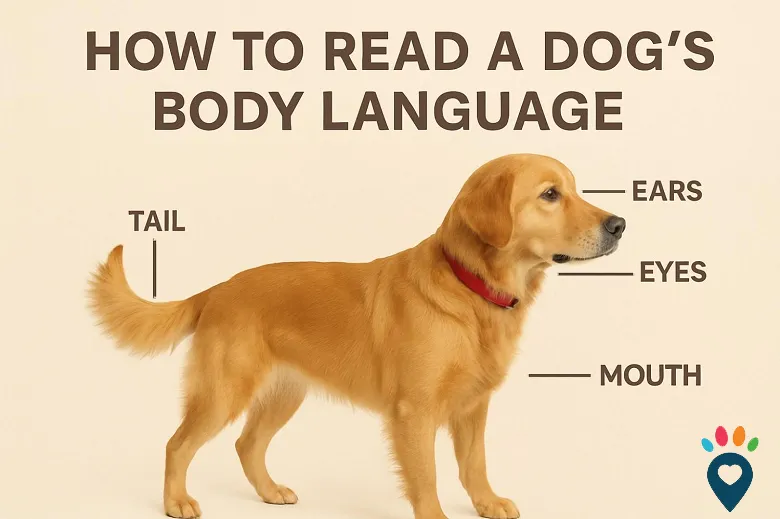
3. Reading Your Dog’s “Scenting Body Language”
- Alert: Head up, nostrils flaring, sudden stillness
- Tracking: Nose down, deliberate movement along scent trail
- Air scenting: Head elevated, scanning for odor plume
- Alert at source: Intensive sniffing, pawing, or sitting at target
Safety First Considerations
- Always supervise scent work sessions
- Use dog-safe containers (no sharp edges, choking hazards)
- Avoid toxic substances (essential oils, chemicals)
- Consider allergies when choosing scent materials
- Respect your dog’s limits—end before frustration
Section 3: Beginner Scent Games (Indoor Focus)
Game 1: The Muffin Tin Challenge
Setup: Muffin tin, tennis balls or paper cups, treats
How to Play:
- Place treats in random cups
- Cover ALL cups with balls/paper
- Release dog with “Find it!”
- Dog must remove covers to find rewards
Progression: Use stronger-smelling treats, increase number of empty cups
Game 2: The Towel Roll-Up
Setup: Bath towel or blanket, small treats
How to Play:
- Lay towel flat, sprinkle treats along it
- Roll towel loosely
- Fold ends to create puzzle
- Release dog to unroll and find treats
Progression: Tighten roll, use multiple layers, hide larger items
Game 3: Box Search
Setup: 3-5 cardboard boxes, treats or favorite toy
How to Play:
- Place boxes in room (upside down with entry cut)
- Hide treats/toy in one box
- Allow dog to watch you hide item
- Release to search
Progression: Don’t let dog watch hiding, use identical boxes, increase number
Game 4: Scented Object Association
Setup: Cotton ball, small tin, distinct scent (vanilla, anise, birch)
How to Play:
- Introduce scent on cotton ball with treats
- Place scented cotton in tin with treats
- Teach “Find the scent” means search for that specific odor
- Hide tin with other identical tins
Progression: Move to different containers, increase search area
Section 4: Intermediate Scent Games (Indoor/Outdoor)
Game 5: The “Hot and Cold” Trail
Setup: Long hallway or room, treats, verbal cues
How to Play:
- Create scent trail by dragging treat along floor
- Hide treat at end of trail
- Use verbal encouragement as dog follows trail
- Celebrate when they find the jackpot
Progression: Fainter trails, older trails, outdoor trails
Game 6: Room Search for Multiple Items
Setup: Designated room, 5-10 identical objects with treats
How to Play:
- Teach dog to find and retrieve specific object
- Hide multiple objects in room
- Send dog to “Find all” until all retrieved
- Reward after each find
Progression: More objects, larger area, time limits
Game 7: Scent Discrimination
Setup: Two distinct scents, multiple containers
How to Play:
- Teach dog specific target scent
- Place target scent in one container among many
- Dog must indicate only container with target scent
- Mark and reward correct indication
Progression: More containers, different locations, distracting scents
Game 8: The Shell Game
Setup: 3 identical cups, one treat
How to Play:
- Let dog watch you place treat under cup
- Shuffle cups slowly
- Dog must indicate correct cup
- Lift cup to reveal reward
Progression: Faster shuffling, more cups, don’t let dog watch hiding
Section 5: Advanced Scent Challenges
Game 9: Outdoor Tracking
Setup: Open area, long leash, scent article, flags/markers
How to Play:
- Have helper lay track while dog watches from distance
- Place flags at track start and turns
- Give dog scent article from tracker
- Follow on long line as they follow track
Progression: Older tracks, longer distances, turns, articles dropped along track
Game 10: Vehicle Search
Setup: Parked car, hidden scent container
How to Play:
- Hide target scent somewhere on/in car
- Dog must search exterior and indicate find
- Work one area at a time (front, sides, rear, wheels)
- Build to interior search if dog is comfortable
Safety: Cool engine only, watch for hazardous materials
Game 11: Height Searches
Setup: Shelves, tables, various heights
How to Play:
- Teach dog to indicate scents at nose level
- Progress to scents above head level
- Teach careful indication (no knocking items over)
- Reward precise alerts
Progression: Multiple heights in one search, delicate objects nearby
Game 12: Buried Treasure
Setup: Sandbox or loose soil area, waterproof containers
How to Play:
- Bury shallow containers with treats
- Dog digs to find containers
- Reward both finding and gentle extraction
- Designate specific digging area
Progression: Deeper burial, multiple items, specific scents only
Section 6: Specialized Applications
For Anxious Dogs:
- Predictable patterns build confidence
- Easy wins to start every session
- Calm environments initially
- Scent work as decompression after stressful events
For Senior Dogs:
- Low physical impact games
- Familiar scents (their toys, your clothing)
- Shorter sessions with frequent rests
- Cognitive maintenance benefits
For High-Energy/Working Breeds:
- Complex problem-solving challenges
- Simulated “work” scenarios
- Increasing difficulty to match their intelligence
- Job satisfaction through scent tasks
For Multi-Dog Households:
- Separate scent articles for each dog
- Individual sessions initially
- Turn-taking with clear cues
- Group searches only if no resource guarding
Section 7: DIY Scent Equipment & Materials
Creating a Scent Work Kit
Essential Items:
- Various containers (tins, boxes, PVC pipes with end caps)
- Different fabrics for hiding (towels, blankets, burlap)
- Scent vessels (cotton balls, felt squares, essential oil tins)
- Reward pouch and high-value treats
- Long line (15-30 feet) for outdoor work
- Marking flags or cones
Scent Source Options:
- Food-based: Liver, cheese, fish, commercial training treats
- Essential oils: Birch, anise, clove (highly diluted, dog-safe)
- Natural materials: Herbs, spices in sealed containers
- Personal scents: Your worn clothing, their favorite toys
Storage Tips:
- Keep scents in airtight containers
- Store separately to prevent cross-contamination
- Label everything clearly
- Wash equipment between uses
Section 8: Building a Scent Work Routine
Weekly Schedule Template
Monday: New skill introduction (5-10 minutes)
Tuesday: Practice previous skill (10 minutes)
Wednesday: “Free choice” from known games (15 minutes)
Thursday: Problem-solving challenge (10 minutes)
Friday: Easy review games (5 minutes)
Saturday: Outdoor/long session (20-30 minutes)
Sunday: Family participation session (15 minutes)
Progress Tracking
Keep simple notes:
- Date and game type
- Success rate
- Time to completion
- Your dog’s engagement level
- Notes for next session
Recognizing Burnout Signs
- Decreased interest in searching
- Frustrated behaviors (barking at containers)
- Physical fatigue
- Decreased accuracy
- When these appear: Take 2-3 day break, return to easier games
Section 9: Taking It Further – Community & Competition
Local Scent Work Opportunities
- AKC Scent Work trials and classes
- Nose Work courses (NACSW)
- Barn Hunt for rodent-scent detection
- Local training clubs offering introductory workshops
Virtual Challenges
- Online scent work courses
- Video submission competitions
- Social media challenge groups
- Remote learning with certified instructors
When to Consider Professional Training
- If you want competition preparation
- If your dog shows exceptional talent
- If you hit a training plateau
- For behavior modification applications
Conclusion: The Nose Knows – A Path to Canine Contentment
Scent work represents the perfect intersection of natural canine ability and enriching mental exercise. Unlike many commercial toys that dogs eventually solve and ignore, scent games offer infinite variety and adaptability. They meet your dog at their most fundamentally canine level, speaking the ancient language of odor in ways that physical play or obedience training cannot.
The transformation you’ll witness goes beyond mere entertainment. Anxious dogs find calming purpose. High-energy dogs discover satisfying work. Senior dogs maintain cognitive vitality. And every dog gains confidence through mastering their most remarkable natural gift.
Begin simply. Observe closely. Celebrate each nose twitch of discovery. What starts as a five-minute kitchen game may evolve into a shared passion that deepens your bond and provides lifelong mental nourishment. In helping your dog use their nose, you’re not just preventing boredom—you’re honoring their very nature and building a bridge of understanding between your human world and their magnificent olfactory universe.
The world is rich with scents waiting to be discovered. All your dog needs is your guidance to start the search.
Disclaimer: This guide provides general information about DIY canine scent work activities. Always prioritize safety by supervising all sessions, using dog-safe materials, and ensuring your training area is secure. Consult your veterinarian before beginning any new activity regimen, especially for dogs with respiratory conditions, allergies, or physical limitations. The author and publisher assume no liability for injuries or incidents resulting from these activities. When working with scents, avoid essential oils or substances that may be toxic to dogs. If your dog shows signs of stress or frustration, discontinue the activity and seek guidance from a certified professional dog trainer.