Puppy Playdate

Socialization

Organizing a Successful “Puppy Playdate”: A Host’s Guide

A well-organized puppy playdate is more than just adorable photo opportunities—it’s a critical component of a young dog’s social development. These controlled social interactions teach bite inhibition, appropriate play signals, and canine communication in ways that human-directed training cannot replicate. However, without proper planning, playdates can quickly devolve into overwhelming chaos or reinforce negative behaviors.

This comprehensive guide transforms you from a passive participant into an expert host, creating a safe, structured environment where puppies can learn, play, and develop the social skills that will serve them for a lifetime. We’ll cover everything from pre-screening participants to reading canine body language, ensuring every playdate builds confidence rather than fear.


Section 1: The Pre-Playdate Foundation

Is Your Puppy Ready?

Before hosting, ensure your puppy meets these prerequisites:

  • Age-appropriate vaccinations: Has completed at least two rounds of DHPP vaccines (consult your vet)
  • Health status: Free from coughing, diarrhea, or visible parasites
  • Energy level: Moderately exercised before the playdate (not exhausted, but not hyper)
  • Recent elimination: Has emptied bowels and bladder
  • Basic skills: Responds to their name and has some familiarity with “come”

The Participant Screening Process

Your invitation should clearly state:

  • Required vaccination status and age range (ideally within 4 weeks of age difference)
  • Maximum number of puppies (3-4 is ideal for first playdates)
  • Expectations for owner participation (no drop-offs)
  • What to bring (leash, own water bowl, high-value treats)
  • Health requirements (no signs of illness)

Ask screening questions:

  • “How does your puppy typically play with others?”
  • “Has your puppy shown any concerning behaviors around resources or handling?”
  • “What’s their typical energy level and play style?”
  • “Have they had positive group experiences before?”

Red flags to decline politely:

  • Unvaccinated puppies
  • Owners who dismiss concerns about their puppy’s rough play
  • Puppies with known history of intense fear or aggression
  • Owners unwilling to stay and actively supervise

Section 2: Setting the Stage for Success

Location Preparation

Ideal settings in order of preference:

  1. Secured backyard:
    • Clear all debris, choking hazards, and toxic plants
    • Ensure fencing is secure with no escape routes
    • Create shaded areas
    • Remove all toys, food bowls, and high-value items
  2. Indoor space:
    • Choose a room with non-slip flooring
    • Remove breakables and fragile furniture
    • Block off unsafe areas (stairs, kitchens)
    • Use baby gates to create separation zones
  3. Neutral outdoor space:
    • Only if completely secure and unfamiliar to all puppies
    • Avoid dog parks or high-traffic areas

Essential Supplies Checklist

For the host:

  • Multiple water stations (separate bowls to prevent resource guarding)
  • High-value treats for recalls and redirection
  • Long line leashes (10-15 feet) for gentle intervention if needed
  • Hose or cleanup supplies for accidents
  • First aid kit with pet-safe antiseptic
  • Timer or clock to track session length
  • Camera mounted on tripod (so you can watch instead of film)
  • Enrichment items for cool-down time (lick mats, stuffed Kongs)

What to ask guests to bring:

  • Their puppy’s regular leash and flat collar (no retractables, prong, or shock collars)
  • Their own water bowl (labeled with puppy’s name)
  • Any necessary medications (like allergy medication)
  • Poop bags for their own puppy

Section 3: The Structured Playdate Protocol

Phase 1: Arrival and Settling (First 15 Minutes)

Do:

  • Have owners arrive 5 minutes apart to prevent doorway crowding
  • Meet outside the play area first, all puppies on leash
  • Allow parallel walking before entering play space
  • Guide owners to enter space, unleash puppies simultaneously, then immediately step back

Don’t:

  • Allow leashed puppies to greet unleashed puppies
  • Let puppies drag owners into the space
  • Allow immediate intense greeting at the gate

Phase 2: Guided Play Session (20-40 Minutes Total)

Host responsibilities:

  • Time management: Set a timer for total play (30-40 minutes max for first sessions)
  • Break scheduling: Enforce a 5-minute quiet break every 10-15 minutes
  • Space monitoring: Ensure puppies aren’t crowding or cornering each other
  • Intervention readiness: Position yourself to physically separate if needed

Teaching owners what to watch for:
Print or share this quick guide:

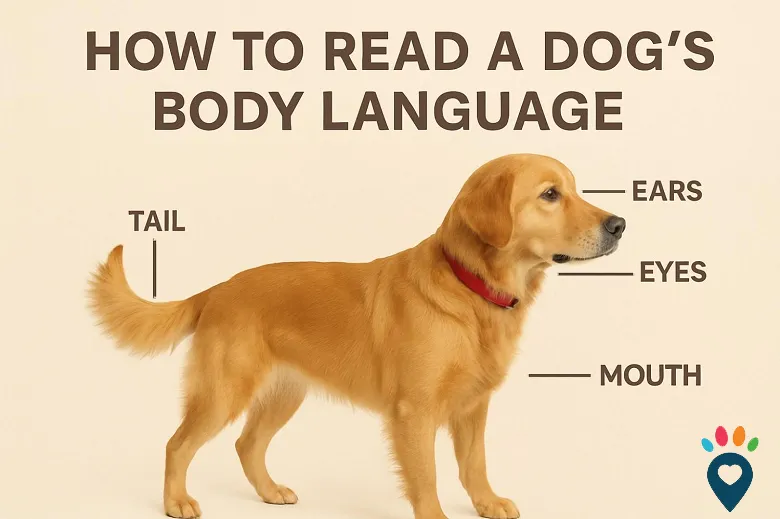
“Green Light” Play Behaviors:

  • Play bows (front down, rear up)
  • Role reversal (taking turns chasing/being chased)
  • Loose, wiggly body movements
  • Self-handicapping (larger puppy playing gently)
  • Natural breaks in action

“Yellow Light” Behaviors (Monitor Closely):

  • One puppy consistently avoiding another
  • Excessive mounting (more than 2-3 attempts)
  • “Puppy pile-ons” (3+ puppies targeting one)
  • Intense vocalization during play

“Red Light” Behaviors (Immediate Intervention):

  • Stiff, frozen posture with intense staring
  • Deep, guttural growling (different from play growls)
  • Snapping with contact
  • Any yelping followed by continued pursuit
  • Bullying (preventing another puppy from moving/leaving)

Phase 3: The Art of Appropriate Intervention

When to step in:

  • Proactive intervention: Before things escalate (at “yellow light” stage)
  • Mandatory intervention: At any “red light” behavior

How to separate safely:

  1. Body block: Step between puppies calmly
  2. Distraction: Use happy voice, clap hands, or shake treat container
  3. Leash assist: If needed, use long line to guide your puppy away
  4. Time out: 1-2 minutes of quiet separation, then reassess

What NEVER to do:

  • Grab collars (risk of redirected bite)
  • Yell or panic (escalates excitement)
  • Punish any puppy (creates negative associations)
  • Pick up a puppy (can trigger prey drive in others)

Phase 4: Cool Down and Departure (Final 15 Minutes)

Wind-down activities:

  • Provide enrichment items (lick mats, stuffed Kongs) in separate areas
  • Practice simple group training (easy “sits” for treats)
  • Offer water in separate bowls
  • Encourage calm petting from owners

Structured departure:

  • Have owners leash puppies before opening gate
  • Depart 5 minutes apart to prevent doorway crowding
  • Offer quick feedback: “Rover did great with sharing space today!”

Section 4: Advanced Hosting Strategies

Matching Play Styles

Create balanced groups by understanding these play types:

The Wrestler: Enjoys body contact, pawing, rolling
→ Pair with another wrestler or gentle chase-oriented puppy

The Chaser: Loves running games, keep-away
→ Pair with another chaser or wrestler who enjoys being chased

The Investigator: Prefers sniffing, exploring, gentle interactions
→ Pair with similar-energy puppy; protect from more intense players

The Bouncer: High energy, constant motion
→ Pair with similar-energy puppy; ensure frequent breaks

Skill-Building Activities Within Playdates

Incorporate short, structured exercises:

  • Recall practice: All owners call puppies simultaneously, reward returns
  • Name game: Owners say puppy’s name, reward when puppy looks
  • Group settle: After play, all puppies practice “down” on their mats
  • Gentle handling exchange: Owners practice touching each other’s puppies (ears, paws) with treats

Troubleshooting Common Scenarios

The Overwhelmed Puppy:

  • Create a “quiet zone” separated by baby gate
  • Allow them to observe from safe distance
  • Consider pairing with just one calmer puppy

The Overly Rough Puppy:

  • Implement more frequent breaks
  • Use time-outs after rough behavior
  • Consider a playdate with just one, more assertive puppy first

Resource Guarding Emergence:

  • Immediately remove all toys, bowls, and high-value items
  • Feed treats only from human hands, not from bowls on ground
  • Consult a professional trainer before next playdate

Section 5: Post-Playdate Protocol

Immediate Aftercare

  • Health check: Examine your puppy for scratches, ticks, or injuries
  • Hydration: Offer fresh water but limit quantity to prevent bloat
  • Quiet time: Enforce 1-2 hours of calm rest in crate or confined area
  • Observe: Watch for signs of stress or discomfort over next 24 hours

Feedback and Follow-up

What to share with participants:

  • General observations about their puppy’s play style
  • Positive moments you noticed
  • Gentle suggestions if appropriate (“I noticed Bailey loved chasing games; next time we might try more space for that”)
  • Photos/videos from the mounted camera (not from your phone during supervision)

What to note for yourself:

  • Which puppies were most compatible
  • What interventions worked best
  • Timing that seemed optimal
  • Supplies you wished you had

Planning the Next Playdate

Based on what you learned:

  • Adjust group composition if needed
  • Modify duration (shorter or longer)
  • Incorporate new elements (structured games, different location)
  • Consider rotating hosts among responsible participants

Section 6: When to Skip or Stop a Playdate

Pre-Playdate Cancellation Reasons

  • Any puppy shows signs of illness
  • Weather is extreme (hot, cold, stormy)
  • You’re not feeling attentive enough to supervise properly
  • Unexpected stressors in your home environment

During-Playdate Termination Signals

  • Multiple “red light” interventions within short period
  • Any puppy showing signs of extreme stress (shaking, hiding, unable to recover)
  • Owners not following safety guidelines
  • Your own inability to maintain proper supervision

The Power of “Not Today”

Remember: One negative experience can undo weeks of positive socialization. It’s better to cancel or cut short a playdate than to risk a traumatic experience. A responsible host knows that sometimes the most successful playdate is the one that doesn’t happen when conditions aren’t right.


Conclusion: Building a Community, One Playdate at a Time

Hosting puppy playdates is an investment in your puppy’s future and a service to your local dog community. By creating structured, safe socialization opportunities, you’re helping to raise well-adjusted dogs who understand how to communicate appropriately with their own species. The skills you help develop—bite inhibition, reading social cues, appropriate play—are foundations that will last a lifetime.

As you host more playdates, you’ll develop an eye for canine communication, a sense for group dynamics, and a community of fellow puppy owners who share your commitment to positive socialization. This network becomes invaluable as your puppy grows, providing support for adolescence and beyond.

Remember that every puppy is an individual, and flexibility is your greatest tool. What works for one group may not work for another. Stay observant, stay patient, and celebrate the small victories—the first play bow, the first self-imposed break, the first time puppies settle together after play. These moments are the real success stories, building blocks for a lifetime of confident canine companionship.

Your role as host extends beyond supervision—you’re a facilitator of canine culture, teaching puppies how to be good citizens in each other’s world.


Disclaimer: This guide provides general recommendations for hosting puppy playdates. Each puppy is an individual with unique needs, temperament, and history. Always prioritize safety and consult with your veterinarian and a certified professional dog trainer for personalized advice regarding your puppy’s socialization needs. The author and publisher assume no liability for incidents occurring during playdates. Proper vaccination, parasite prevention, and health screening of all participants are the responsibility of each puppy’s owner. When in doubt, err on the side of caution and separate puppies or end the session.