Dog Park Etiquette

Socialization

Dog Park Etiquette: Rules for a Safe and Positive Experience

Dog parks represent both immense opportunity and significant risk in a dog’s social life. These spaces offer off-leash freedom, canine companionship, and vital exercise—but without proper etiquette, they can quickly become stressful environments that reinforce negative behaviors or lead to dangerous confrontations. Understanding and practicing proper dog park etiquette isn’t just about politeness; it’s about creating an environment where all participants, both canine and human, can enjoy a safe, positive experience.

This comprehensive guide moves beyond basic “pick up after your dog” reminders to address the nuanced social dynamics of dog parks, providing clear rules and practical strategies that responsible owners need to know.


Section 1: Pre-Park Assessment – Should You Even Go?

Is Your Dog Park-Ready?

Not every dog belongs in a dog park. Honestly assess your dog’s suitability:

Your dog SHOULD:

  • Have reliable recall (responds consistently to “come” even with distractions)
  • Enjoy playing with unfamiliar dogs
  • Be spayed or neutered (if over 6 months)
  • Be current on all vaccinations and parasite prevention
  • Display appropriate social skills (gives space when asked, self-handicaps during play)

Your dog should NOT go if they:

  • Are under 6 months old (immune system and social skills are still developing)
  • Are in heat (even if spayed/neutered dogs react differently)
  • Have a history of fear, anxiety, or aggression toward other dogs
  • Are recovering from illness or injury
  • Are not fully vaccinated
  • Resource guard toys, water, or people

Is This Park Appropriate?

Arrive first without your dog to observe:

  • Are dogs playing appropriately or is there bullying/chasing?
  • Are owners attentive or distracted by phones?
  • Is the space clean and well-maintained?
  • Are there separate areas for small/large dogs?
  • Are there clear entry/exit procedures?

Section 2: The Fundamental Rules – Non-Negotiable Etiquette

Rule 1: The Attentive Guardian Rule

Your primary job is supervision. This means:

  • Phone stays in pocket (except for emergencies)
  • Continuous visual tracking of your dog
  • No prolonged conversations that distract from monitoring
  • Positioning yourself strategically to observe interactions
  • Being physically and mentally prepared to intervene

Rule 2: The Entry/Exit Protocol

Entering:

  • Remove leash in the transition area (double-gated entry), not inside
  • Enter calmly—don’t let your dog burst in excitedly
  • Walk to an open area before releasing your dog to play

Exiting:

  • Call your dog to you before leashing
  • Use the transition area to re-leash
  • Leave immediately if your dog becomes overstimulated or tired

Rule 3: The Equipment-Free Zone

Leave at home or remove:

  • Leashes (once inside—leashed dogs feel trapped and may react defensively)
  • Toys (especially balls/frisbees—major triggers for resource guarding)
  • Treats (can create crowding and jealousy)
  • Prong, choke, or shock collars (can get caught or cause injury during play)

The only acceptable equipment: Flat collar with ID tags, well-fitting harness if needed.

Rule 4: The Health & Hygiene Mandate

  • Pick up waste immediately—carry multiple bags
  • Do not bring dogs with coughs, diarrhea, or visible parasites
  • Do not bring dogs with open wounds or stitches
  • Report any incidents (bites, injuries) to the other owner and park authorities

Section 3: Reading Canine Social Dynamics

Understanding Appropriate Play

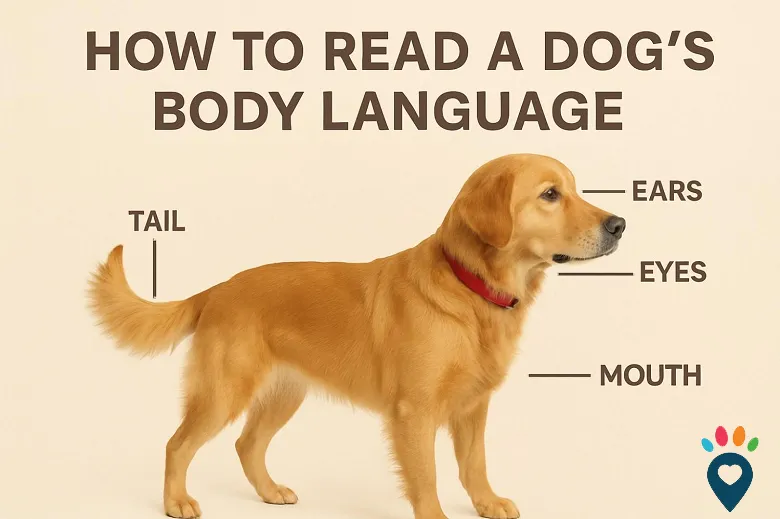
Look for these signs of healthy interaction:

  • Role reversal: Dogs take turns chasing and being chased
  • Self-handicapping: Larger dogs play gently with smaller ones
  • Play bows: Frequent “front down, rear up” invitations
  • Loose, wiggly bodies: Relaxed movement, not stiff posture
  • Breaks in action: Natural pauses where dogs disengage momentarily

Recognizing Trouble Signs

Mild concerns (monitor closely):

  • One dog consistently avoiding another
  • Excessive mounting (beyond initial greeting)
  • “Gang mentality” forming (3+ dogs targeting one)

Immediate intervention required:

  • Stiff, frozen posture with intense staring
  • Deep, guttural growling (different from play growls)
  • Snapping with contact
  • Any yelping followed by continued pursuit
  • “Bullying” behavior: preventing another dog from moving/leaving

How to Intervene Properly

Do NOT:

  • Grab collars (risk of redirected bite)
  • Scream or panic (escalates tension)
  • Punish either dog (creates negative associations)

DO:

  • Calmly call your dog to you
  • Use body blocking to separate dogs
  • Create distraction with neutral sounds (clapping, “hey!”)
  • If dogs are locked: use jackets or barriers to separate, not your body

Section 4: Special Situations & Controversial Topics

The Small Dog Dilemma

If your park isn’t separated by size:

  • Small dog owners: be extra vigilant about large dog play styles
  • Large dog owners: recall your dog from overly enthusiastic play with small dogs
  • Universal rule: The more vulnerable dog’s comfort takes precedence

The “Problem Owner” Protocol

How to handle owners who aren’t following etiquette:

  1. Politely inform: “I think your dog might be getting a bit overwhelmed.”
  2. Focus on dog’s experience: “My dog needs a break from that style of play.”
  3. Remove your dog: If the situation doesn’t improve, leave—don’t escalate.
  4. Report patterns: Repeated issues should be reported to park management.

Children at Dog Parks

Best practice: Dog parks are not playgrounds. If children must attend:

  • They must be closely supervised by a separate adult
  • They should not run, scream, or approach unknown dogs
  • They must understand not to interrupt dogs who are playing, eating, or resting

Section 5: The Owner’s Mindset & Best Practices

Before You Go:

  • Exercise your dog lightly beforehand (a tired dog is not the goal, but an over-aroused one is problematic)
  • Ensure your dog has emptied their bowels/bladder
  • Bring water (don’t rely on communal bowls)
  • Check the weather—extreme heat or cold requires special consideration

During the Visit:

  • Time it right: 30-45 minutes is often sufficient for positive socialization
  • Watch for exhaustion: Panting should moderate during breaks, not be continuous
  • Initiate breaks: Call your dog over for water and quiet time every 10-15 minutes
  • Trust your instincts: If something feels off, leave

After the Park:

  • Check for ticks, burrs, or minor injuries
  • Offer fresh water and a quiet place to rest
  • Monitor for signs of stress or illness over the next 24 hours

Section 6: When Dog Parks Aren’t the Answer – Alternatives

For dogs who don’t enjoy or aren’t suited to dog parks, consider:

  • Leashed group walks with known dog friends
  • SniffSpot or similar private yard rentals
  • Structured playdates with compatible companions
  • Dog sports or classes for controlled socialization
  • Solo enrichment in secure, open spaces

Conclusion: Building a Better Dog Park Culture

The quality of any dog park experience is created by its human participants. When we commit to being present, proactive, and educated guardians, we transform these spaces from potential problem zones into valuable community resources. Proper etiquette isn’t about restrictive rules—it’s about creating freedom within a framework of safety and mutual respect.

Remember that leaving is not failing. The most responsible decision you can make is to recognize when the environment isn’t right for your dog and choose a different activity. By prioritizing our dogs’ emotional and physical wellbeing over our own social desires, we ensure that every park visit contributes positively to their development and deepens the trust in our relationship with them.

The ultimate rule of dog park etiquette: Your dog’s safety and positive experience are always more important than any other consideration. When in doubt, err on the side of caution, and you’ll never regret your choice.


Disclaimer: This article provides general guidelines for dog park safety and etiquette. Dog behavior can be unpredictable, and individual dogs have unique needs and histories. Always consult with a professional dog trainer or behaviorist for personalized advice regarding your dog’s suitability for dog parks and specific socialization needs. The author and publisher assume no liability for incidents occurring at dog parks or resulting from the application of these guidelines. Your vigilance and judgment are the most critical factors in ensuring your dog’s safety.