DIY Dog Grooming

Grooming Guide

DIY Dog Grooming: Trimming Nails, Cleaning Ears & Brushing Teeth

For many pet owners, the thought of trimming their dog’s nails, cleaning their ears, or brushing their teeth can be daunting. These essential grooming tasks are crucial for your dog’s long-term health and comfort, yet they often trigger anxiety for both pets and their people. Relying solely on professional groomers or veterinarians for these basic needs can be costly and doesn’t always address the fear a dog may associate with the process

This comprehensive, step-by-step guide empowers you to confidently perform these three critical grooming tasks at home. By understanding the proper techniques, investing in the right tools, and adopting a patient, positive approach, you can transform grooming from a stressful ordeal into a rewarding bonding ritual that saves you money and protects your dog’s well-being.

Part 1: The Foundation – Creating a Positive Grooming Mindset

Your attitude is your most important tool. Dogs are masters at reading human energy. If you approach grooming with tension and apprehension, your dog will mirror that stress.

  • Start Young & Go Slow: Begin handling your puppy’s paws, ears, and mouth daily, even if you don’t perform the full task. Pair every touch with a high-value treat and praise.
  • The Power of Association: Designate a special, super-tasty treat (like chicken, cheese, or liver paste) that your dog only gets during grooming sessions. This creates powerful positive reinforcement.
  • Keep Sessions Short: It’s better to have three successful 2-minute sessions than one traumatic 10-minute struggle. End on a positive note.
  • Never Punish: If your dog pulls away or resists, do not scold. Simply pause, reset, and try again more gently. Forcing the issue will erode trust.

Part 2: Trimming Your Dog’s Nails – Avoiding the “Quick”

Overgrown nails can cause pain, alter gait, and lead to joint problems. The goal is to trim the nail just before the quick—the pink, blood vessel and nerve-filled center.

Tools You’ll Need:

  • Dog Nail Clippers: Choose either guillotine-style or scissor-style clippers. Find what feels most comfortable in your hand.
  • Alternative: A rotary nail grinder (like a Dremel) files the nail down. Many dogs prefer the gentle vibration to the “clip,” but it requires acclimation to the sound and sensation.
  • Styptic Powder or Cornstarch: To instantly stop bleeding if you accidentally cut the quick.
  • High-Value Treats.

The Step-by-Step Process:

  1. Get Your Dog Comfortable: Have them lie or sit in a relaxed position. Pet and give treats.
  2. Identify the Quick:
    • In light-colored nails, the quick is the pink inner area. Never cut into the pink.
    • In dark-colored nails, the quick is invisible. You must trim small amounts from the tip and look at the cross-section. Stop when you see a black dot in the center of a white-ish circle—this means you’re approaching the quick.
  3. The “Scissor-Snip” Method:
    • Hold the paw firmly but gently. Isolate one toe.
    • Position the clippers perpendicular to the nail (straight across, not at an angle).
    • Make a small, confident snip about 2-3mm from where you think the quick starts.
    • For dark nails: After the first clip, look at the nail’s center. If it’s still solid black/ gray, you can make another tiny clip. Stop when you see a chalky gray or white ring with a dark center.
  4. The Grinder Method:
    • Let your dog sniff the off grinder. Turn it on and let them get used to the sound. Reward.
    • Gently touch the side of the spinning grinder head to the nail tip for 1-2 seconds. Reward.
    • Gradually increase contact time, holding each nail for short bursts to avoid heat buildup.
  5. What to Do If You Hit the Quick:
    • Don’t panic. Your dog will likely yelp and the nail will bleed.
    • Immediately apply styptic powder with firm pressure for 30 seconds. The bleeding will stop quickly.
    • Comfort your dog, offer a treat, and take a break. The experience is more startling than painful.

Frequency: Check nails every 1-2 weeks. A good rule: if you hear clicking on the floor, it’s time for a trim.


Part 3: Cleaning Your Dog’s Ears – Preventing Infections

Regular ear cleaning prevents wax buildup and moisture that can lead to painful yeast or bacterial infections, especially in floppy-eared breeds.

Tools You’ll Need:

  • Veterinary-Approved Ear Cleanser Solution (never use alcohol, hydrogen peroxide, or water).
  • Cotton Balls or Gauze Squares (never use cotton swabs/Q-tips inside the ear canal).
  • Treats.

The Step-by-Step Process:

  1. The Pre-Check: Before cleaning, always inspect. A healthy ear is light pink, has a mild odor, and minimal wax. See your vet immediately if you notice: Redness, swelling, a foul odor, black/brown discharge, or if your dog is shaking its head or scratching excessively. Do not clean an infected ear without veterinary instruction.
  2. Apply the Solution: Gently lift the ear flap. Fill the ear canal with the cleanser until it’s just barely visible (don’t insert the bottle tip deep into the canal).
  3. The Massage: At the base of the ear, outside the canal, gently massage for 20-30 seconds. You’ll hear a squishing sound. This loosens debris.
  4. The Shake & Wipe: Let go and allow your dog to shake its head (this is the messy part!). Then, use a cotton ball to wipe out all the loosened debris and fluid from the visible part of the inner ear flap and the entrance to the canal. Wipe until the cotton ball comes out clean.
  5. Praise & Repeat: Reward generously and repeat on the other ear.

Frequency: For most dogs, a monthly check/clean is sufficient. Breeds prone to ear issues may need weekly cleaning.


Part 4: Brushing Your Dog’s Teeth – The #1 Preventative Health Act

Periodontal disease is the most common clinical condition in adult dogs and can lead to systemic issues affecting the heart, liver, and kidneys. Home dental care is non-negotiable.

Tools You’ll Need:

  • Dog-Specific Toothpaste: Never use human toothpaste (it contains xylitol and fluoride, which are toxic to dogs). Dog toothpaste comes in appealing flavors like poultry or peanut butter.
  • Toothbrush Options:
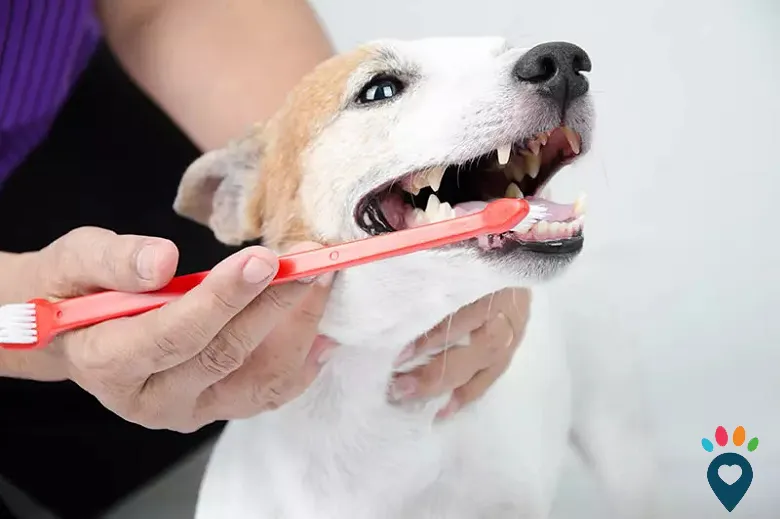
    • dog finger brush (fits on your fingertip) for beginners.
    • dual-headed dog toothbrush (with angled bristles).
    • soft-bristled child’s toothbrush can also work.

The Step-by-Step Acclimation Process (This Takes Patience!):

Week 1: Introduce the Taste. Let your dog lick a dab of toothpaste off your finger as a daily treat.

Week 2: Introduce Touch. Put paste on your finger and gently rub it along their gums and the outsides of a few teeth. Praise and reward.

Week 3: Introduce the Brush. Let them lick paste from the brush. Then, gently lift their lip and brush just a few front teeth in a circular motion.

Week 4: Build the Routine. Gradually increase the number of teeth you brush, focusing on the outer surfaces where plaque accumulates most. Aim for the big, cheek-side teeth (premolars and molars).

The 30-Second Goal: A full brushing session should take 30-60 seconds. Consistency is far more important than perfection. Even brushing a few teeth every other day provides significant benefits.

Frequency: Daily is ideal, but 3-4 times per week is highly effective for plaque control.

The Groomer’s Secret: Putting It All Together

Professional groomers use a predictable, calm sequence. You can adopt this at home:

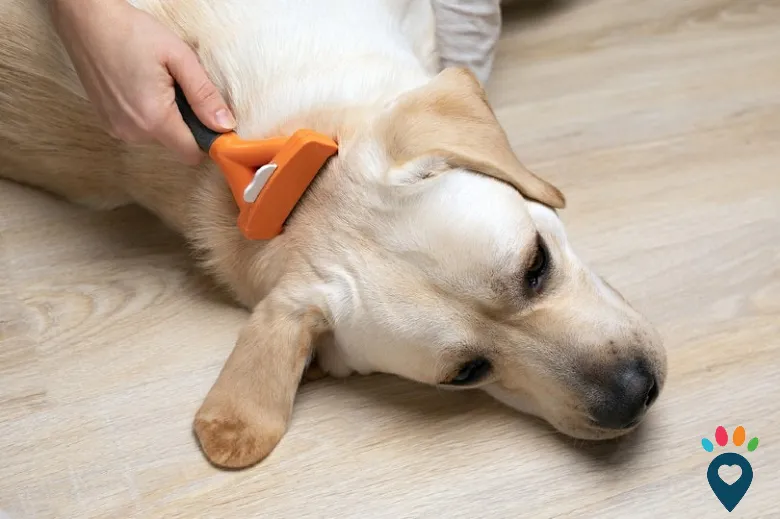
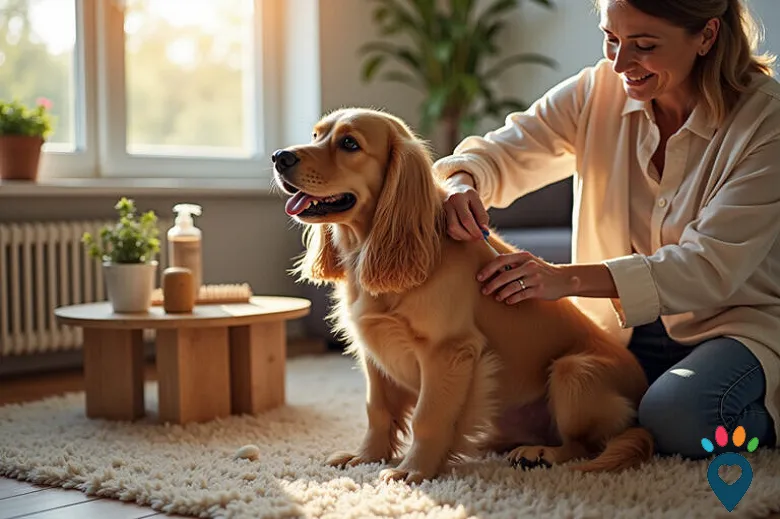
  1. Brushing (full-body brush to relax and check the coat)
  2. Nail Trim
  3. Ear Cleaning
  4. Teeth Brushing

Follow the entire sequence with a special reward—like a favorite chew or a game of fetch—so your dog learns that cooperation leads to very good things.

When to Call a Professional

DIY grooming builds trust, but know your limits. Seek help from a groomer or vet if:

  • Your dog shows extreme fear or aggression that doesn’t improve with positive training.
  • The nails are severely overgrown (the quick has grown long with them).
  • You suspect an ear or dental infection.
  • Your dog has special medical needs.

Conclusion: Grooming as an Act of Love

Mastering these three DIY grooming tasks is one of the most profound ways to care for your dog. It goes beyond hygiene—it’s about proactive healthcare, saving significant money over your dog’s lifetime, and, most importantly, deepening the bond of trust and cooperation you share. With patience, the right tools, and a pocketful of treats, you can ensure your dog not only looks great but feels great, from the tips of their nails to the roots of their teeth.

Disclaimer: The content of this article is for general informational purposes only and does not constitute professional veterinary or grooming advice. Before performing any at-home care, please consult your veterinarian, especially if your pet has specific health conditions. The author and publisher assume no responsibility for any issues arising from the application of the methods described herein.